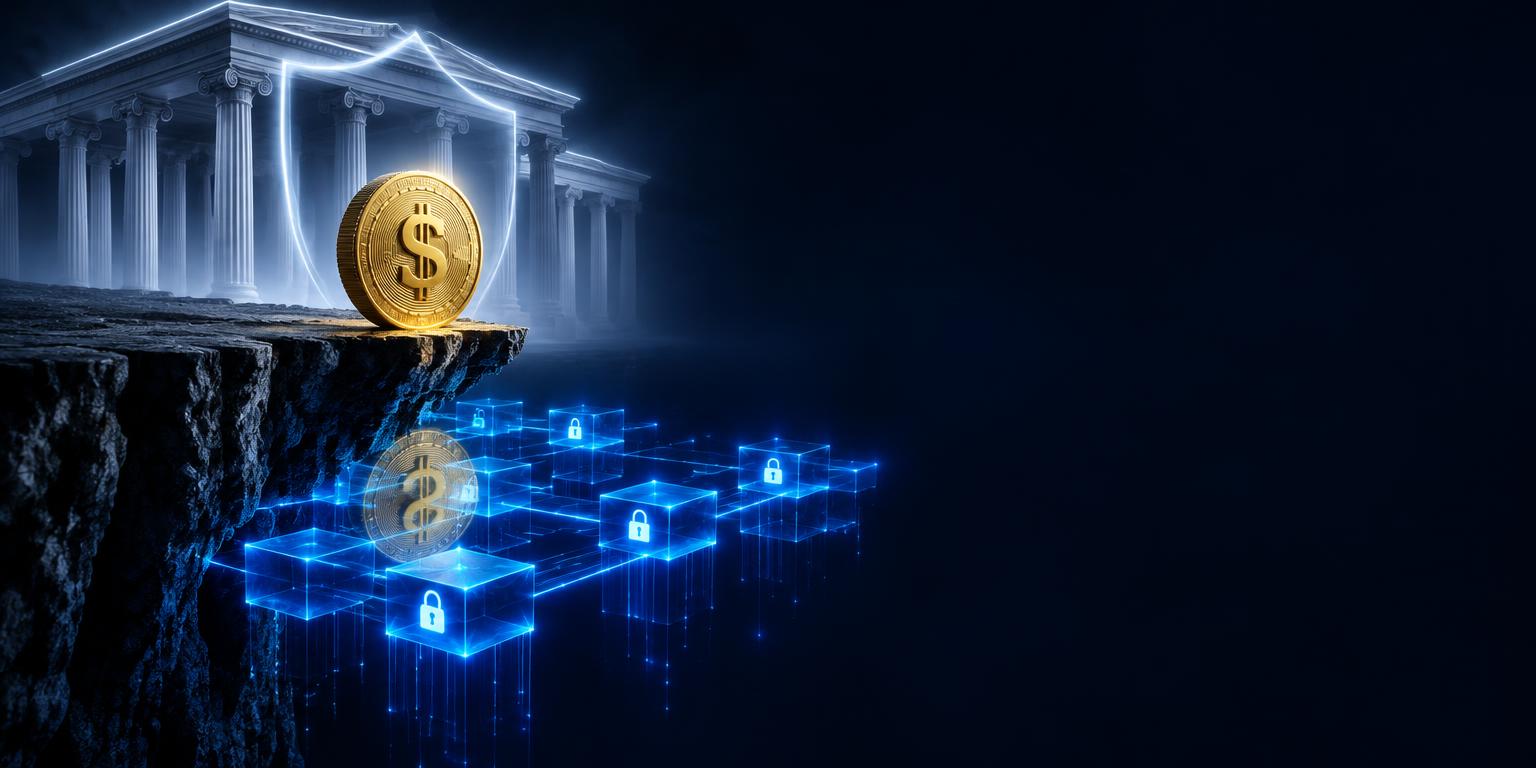
Bitcoin Core Developer Proposes 'Quantum Landmines' to Deter Future Crypto Thieves
MIT Digital Currency Initiative researcher and Bitcoin Core developer Cory Fields has proposed 'quantum landmines' — a game-theoretic trap that would force quantum-equipped attackers to risk their own funds before draining vulnerable Bitcoin wallets.
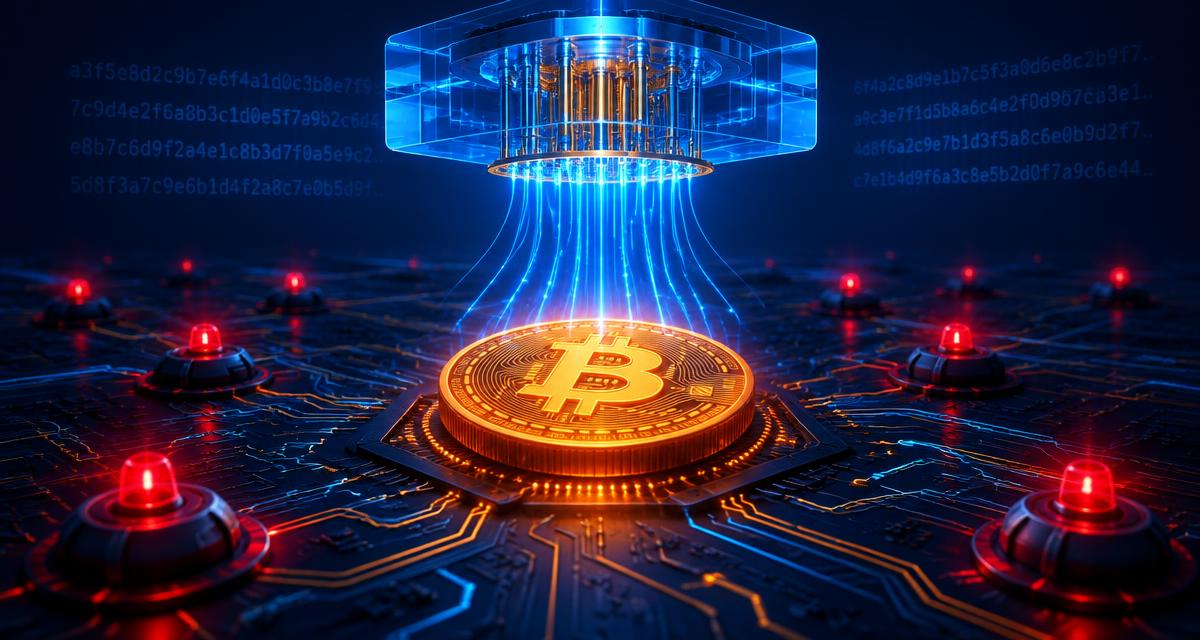
Overview
SAN FRANCISCO — In a novel approach to addressing the existential threat quantum computing poses to cryptocurrency, MIT Digital Currency Initiative researcher and Bitcoin Core developer Cory Fields has introduced a proposal dubbed "quantum landmines". The concept aims to turn the tables on quantum-equipped attackers by forcing them to risk their own funds before attempting to drain vulnerable Bitcoin wallets.
This article was prepared by the MediaPull Editorial Team from the submitted report. MediaPull has not independently verified the proposal details, claims, or figures described below.
Understanding the Quantum Threat to Bitcoin
The vulnerability stems from older Bitcoin address formats—such as legacy Pay-to-Public-Key (P2PK) and reused addresses—which expose an owner's public key on-chain. While classical computers cannot reverse-engineer a private spending key from a public key, a powerful enough quantum computer running Shor's algorithm could theoretically derive the private key and swipe the associated funds.
Millions of Bitcoins, including early coins associated with network creator Satoshi Nakamoto, currently sit in exposed legacy outputs, representing hundreds of billions of dollars in potential targets for future quantum thieves.
How the "Quantum Landmine" Trap Works
Rather than forcing controversial network-wide protocol changes or freezing vulnerable accounts outright, Fields' thought experiment relies on game theory and economic deterrence:
- Setting the Trap: Before quantum computers become operational, an owner creates a hidden, quantum-safe "landmine" containing secret cryptographic proof of ownership linked to their vulnerable coins.
- Requiring Attacker Collateral: If a quantum thief attempts to broadcast a stolen transaction to move coins from a vulnerable address, the protocol would require them to lock an equivalent amount of collateral (e.g., 1 BTC in collateral to steal 1 BTC) from a quantum-safe wallet for a specific waiting period, such as 30 days.
- Detonating the Mine: During the waiting window, the legitimate owner reveals their hidden proof. This action cancels the attacker's unauthorized transaction, returns the original Bitcoin to the owner, and forfeits the thief's locked collateral to the owner as a penalty.
A New Dynamic in the Quantum Defense Debate
Because a quantum attacker cannot verify whether a target address contains a hidden landmine prior to submitting their collateral, every potential theft carries severe financial risk.
The proposal introduces a fresh perspective to a long-running debate within the Bitcoin community:
- Deterrence over Freezing: Previous ideas suggested hard-forking the network to freeze exposed legacy wallets, a measure criticized for violating Bitcoin's core principles of censorship resistance and self-custody.
- Economic Risk for Attackers: By forcing thieves to put "skin in the game," landmines make widespread automated quantum attacks economically dangerous to execute.
- Current Status: Fields emphasized that the proposal remains a theoretical design outline posted to the bitcoin-dev mailing list rather than imminent code. It would require future consensus upgrades and post-quantum cryptographic standards to implement.
Looking Ahead
While a practical quantum computer capable of breaking Bitcoin's cryptography remains years away, proactive proposals like quantum landmines demonstrate how developers are exploring game-theoretic defenses alongside pure technical upgrades.
Sources
Compiled from posts on the bitcoin-dev mailing list, technical disclosures from the MIT Digital Currency Initiative, CoinDesk, and TradingView.
Tags: #Bitcoin #CryptoNews #QuantumComputing #BitcoinCore #CyberSecurity #Blockchain #TechNews
For informational purposes only. This article is not financial advice.
Comments (0)
Loading comments…