Regional Conflicts Strain Gulf Nations’ Ability to Meet COP31 Climate Pledges
A submitted report examines how regional conflicts, energy-security priorities and supply-chain pressures could affect Gulf nations' climate pledges at COP31.
Editorial note
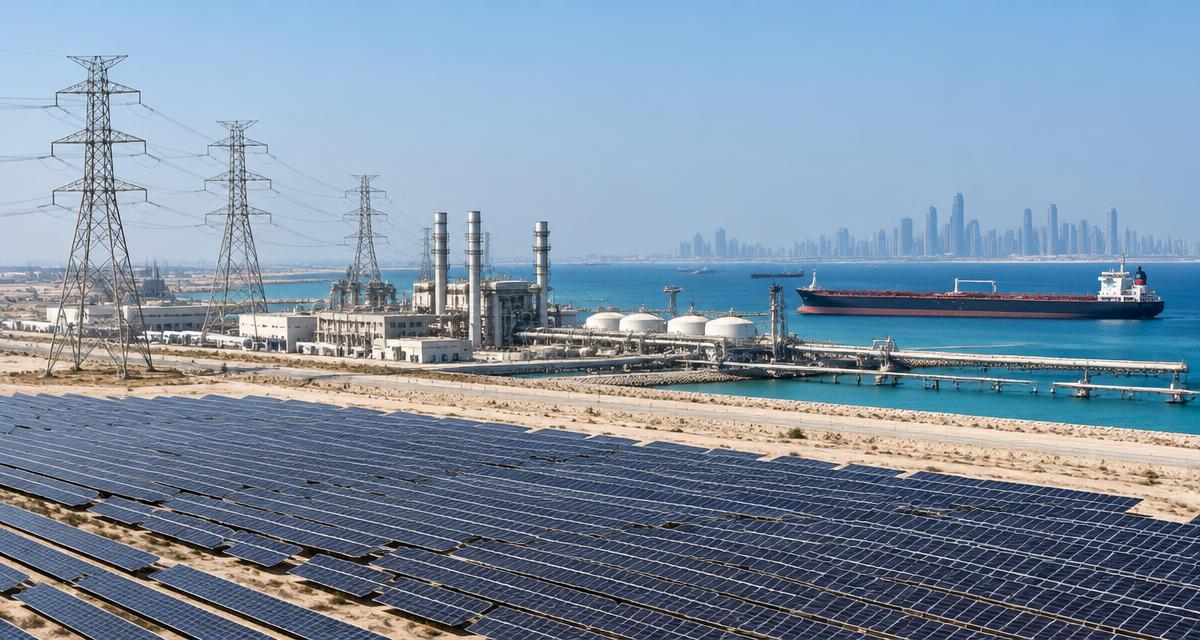
This article was prepared by the MediaPull Editorial Team from a submitted report. MediaPull has not independently verified the conference developments, security disruptions, budget changes or analyst quotation described below. Source names were supplied with the report, but no specific report links or named speaker were provided. Consult original UNFCCC publications and official regional disclosures before relying on these claims. The cover is a conceptual illustration, not a photograph of the reported events.
Gulf climate commitments face regional pressures
DUBAI / ANTALYA — As the UN COP31 climate conference gets underway in Antalya, member states of the Gulf Cooperation Council (GCC) are facing unprecedented structural obstacles to fulfilling their decarbonization commitments. Mounting Middle East geopolitical conflicts and persistent threats to critical maritime routes—such as the Strait of Hormuz—are forcing regional governments to balance long-term green infrastructure goals against immediate energy and national security priorities.
Security Disruptions Shift Priorities Back to Fossil Fuel Resilience
While GCC states entered the post-Paris Agreement era with ambitious net-zero targets and massive investments in solar, hydrogen, and carbon capture infrastructure, recent military escalations across the region have disrupted economic timelines.
- Defense and Supply Priorities: Shifting national budgets toward defense spending and supply-chain stabilization has restricted immediate capital flow into new utility-scale clean energy projects.
- Energy Security vs. Transition: Disruptions in key maritime export corridors have pushed regional operators to prioritize short-term hydrocarbon production resilience, secondary pipeline routes, and emergency fuel stockpiles to guarantee domestic grid stability and export continuity.
- Resource Realignment: Desalination networks, which account for a substantial portion of regional power consumption, are operating under emergency protocols, momentarily slowing planned transitions to zero-carbon water processing.
The COP31 Challenge: Bridging Ambition and Geopolitical Reality
The friction between climate ambitions and conflict-driven economic strain comes at a crucial juncture for global climate negotiations. With world leaders gathering at COP31 to push for turning national pledges into verifiable progress, Gulf delegations are advocating for frameworks that accommodate security-driven energy realities.
"Energy security is once again the overriding priority across regional policy agendas," noted energy analysts following recent COP31 opening panels. "While the long-term economic shift toward renewables remains intact, short-term crisis management is temporarily bottlenecking green project execution."
Key Obstacles Facing Gulf Decarbonization Goals
Despite these immediate headwinds, Gulf officials emphasize that regional commitments to long-term economic diversification and emission reduction targets remain official policy, even as conflict forces a recalibration of short-term milestones.
- 1. Supply Chain Bottlenecks: Regional instability has driven up maritime insurance premiums and freight costs for imported solar panels, wind turbines, and specialized green technology hardware.
- 2. Capital Diversion: State-backed sovereign funds are balancing climate finance commitments against emergency economic stabilization initiatives.
- 3. Refocus on Storage and Grid Hardening: Investment attention has temporarily pivoted from expanding renewable capacity to securing existing energy grids against physical and cyber infrastructure threats.
Sources
Compiled from UN Framework Convention on Climate Change (UNFCCC) COP31 opening reports, Gulf Research Center (GRC) economic bulletins, and regional energy market disclosures (as supplied with the submitted report; specific links were not provided).
Tags: #COP31 #GulfNews #ClimatePledges #EnergySecurity #StraitOfHormuz #MiddleEast #RenewableEnergy
For informational purposes only. This article is not financial advice.
Comments (0)
Loading comments…