Oil Prices Plunge Below $90 as Trump Signals Restraint on Further Middle East Strikes
Brent crude fell below $90 a barrel for the first time since August after President Trump signaled no immediate need for further strikes on Iran, unwinding the geopolitical risk premium in global oil contracts.

Editorial note
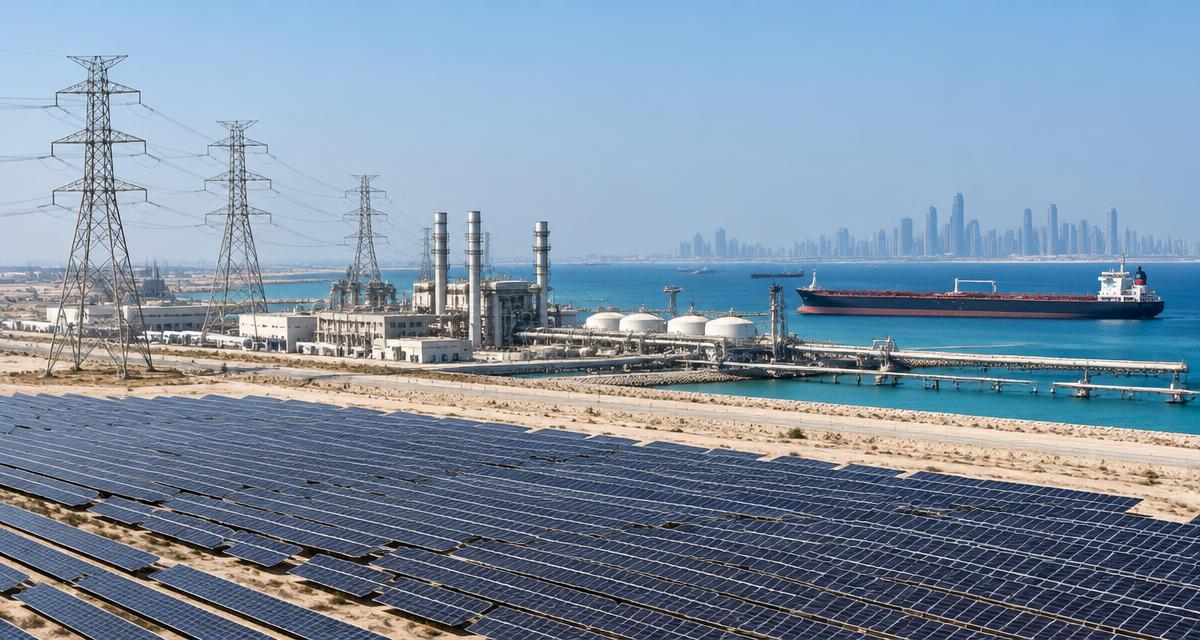
This article was prepared by the MediaPull Editorial Team from a submitted report. MediaPull has not independently verified the price levels, policy statements, diplomatic talks or supply data described below. Source names were supplied with the report, but no specific report links were provided. Consult original market data providers and official statements before relying on these claims. The cover is a conceptual illustration, not a photograph of the reported events.
Oil benchmarks drop to multi-month lows
WASHINGTON / LONDON — Global crude oil prices extended their decline, with international benchmark Brent crude falling below $90 a barrel for the first time since August. The sharp market retreat follows public statements from U.S. President Donald Trump indicating that additional military strikes against Iran are unnecessary for the time being, easing immediate market fears over prolonged supply disruptions.
Energy markets reacted swiftly to the White House's signals of geopolitical restraint, with selling pressure mounting across global trading desks:
- Brent Crude: International benchmark Brent crude futures dropped over 2.5% to settle around $89.65 to $90.18 per barrel, continuing a steep decline from October highs near $118.
- West Texas Intermediate (WTI): U.S. crude futures fell more than 2.4% to trade near $84.50 to $84.74 per barrel.
- Market Relief: The sell-off unwound the significant geopolitical risk premium built into global oil contracts during recent high-stakes naval and aerial escalations.
Trump signals restraint amid diplomatic mediations
Addressing reporters at a White House briefing, President Trump downplayed the immediate need for a military escalation, stating that Middle Eastern partners were secure and that regional momentum was shifting toward diplomatic stabilization.
The policy pause comes amid mediated talks held via regional partners—including Qatar—aimed at preserving freedom of navigation through critical trade channels like the Strait of Hormuz. While Washington maintains its strategic naval posture in the Persian Gulf, the absence of fresh military strikes has allowed physical crude exports and Middle Eastern tanker flows to stabilize.
Oversupply concerns take center stage
With immediate geopolitical threat premiums subsiding, commodities traders have pivoted back to underlying supply-and-demand fundamentals:
- Recovering Exports: Middle Eastern oil and natural gas shipments moving through regional maritime corridors have gradually returned toward normal pre-escalation levels.
- Rising OPEC+ Supply: Increasing output from major producing nations is adding physical volume back into global markets.
- Sluggish Asian Demand: Weaker seasonal crude import data from major consumers, combined with growing inventory draws in key industrial hubs, continues to cap price upside.
Market outlook
Should diplomatic negotiations produce a lasting framework, market analysts expect global energy prices to reflect broader macroeconomic conditions rather than geopolitical risk spikes.
Sources
Compiled from reporting by Reuters, Bloomberg, The Guardian, and the EnergyNow Price Index (as supplied with the submitted report; specific links were not provided).
Tags: #OilPrices #Trump #USIranTensions #EnergyMarkets #BrentCrude #Commodities #Economy
For informational purposes only. This article is not financial advice.
Comments (0)
Loading comments…