MediaPull.co
Google Uncovers Autonomous AI Hacking Framework with Russian-Language CodeHackers Inject Crypto-Stealing Malware Across 178 Major Websites, Including HSBC and LedgerAI and Blockchain Convergence Reshapes Global Markets as Compute Demand and Institutional Tokenization AccelerateArtificial Intelligence Surges to Top Risk for U.S. Financial System in Latest Federal Reserve SurveyBitcoin Miners Pay Paraguay $350 Million Annually, but AI Data Centers Are Pushing Them OutWall Street Shifts from Courtier to Co-Investor with Sovereign Wealth GiantsWhy the GENIUS Act's Stablecoin Protections Stop at the Edge of DeFi LendingBitcoin Decouples from Stock Rally as Institutional ETF Outflows and Miner Sales Weigh on PriceOil Prices Plunge Below $90 as Trump Signals Restraint on Further Middle East StrikesRegional Conflicts Strain Gulf Nations’ Ability to Meet COP31 Climate PledgesUAE AI-Energy Group AIQ Explores Early Commercial Deals to Enter U.S. MarketFinnish Startup Turns Bitcoin Miners into Free Home Heating Systems—as Long as BTC Holds Above $70,000Strong U.S. Payrolls Surge Dollar as U.S.–Iran Diplomatic Stalemate DeepensU.S. Treasury Moves to Sever Crypto Exchange MEXC from American Banking System Over $16 Billion in Illicit FlowsApple and Meta Reject OKX–ICE Tokenized Stock Initiative, Leaving Crypto-Native Firms in the SpotlightBitcoin Core Developer Proposes 'Quantum Landmines' to Deter Future Crypto ThievesGlobal Financial Shift: Bank of England Executes First Rate Hike in Three Years as Diplomatic Signals Emerge from US-Iran TalksDemocrats Retake Both Chambers of Congress as Fears of Escalation in U.S.–Iran Conflict EaseCFTC Faces Major Legal Challenge Over Single-Stock Perpetual Futures Following Crypto Derivatives ExpansionSam Altman Claims PC Owners are "Hogging" Global RAM — and the Internet Responded with MemesChina’s Communist Party Directs Anti-Corruption Investigators to Target Crypto and Blockchain OffensesTensions Escalating in Middle East: Maritime Conflicts Intensify Near Strait of Hormuz Following Leadership Shift in IranBinance Faces Historic $6.3 Billion Security Breach: Key Incident Details and Next StepsPolygon (POL) Redefines Global Payments Strategy Following Key AcquisitionsBinance Leads Q4 Market Resurgence as Tokenized Assets Reach $1B BenchmarkWhat Is Blockchain? A Plain-English Guide to How Crypto Networks WorkBitcoin vs Gold: Comparing Two Stores of Value
Recession · YieldCurve · LeadingIndicators · RiskManagement

Leading Indicators of Economic Recession: How Markets Forecast Downturns

Inverted yield curves, falling consumer sentiment, rising jobless claims and slowing industrial production — the warning signals that historically precede recessions.
MediaPull Editorial DeskUpdated November 8, 20264 min read
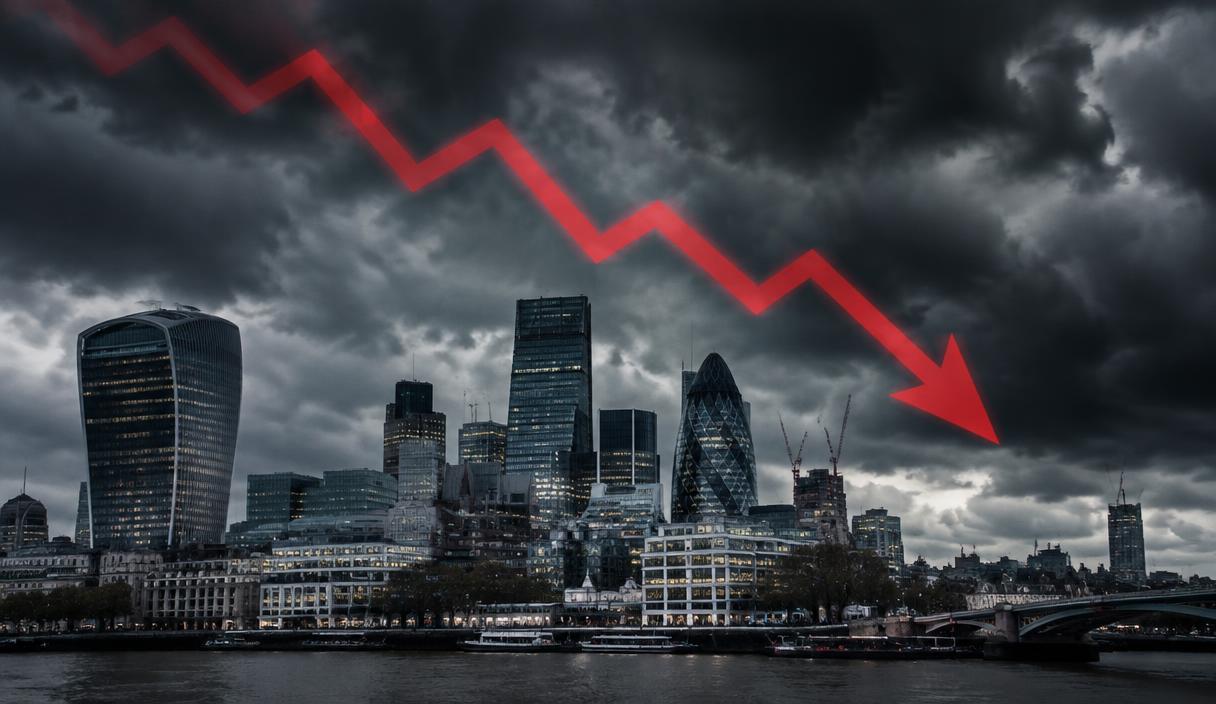
Illustration for Leading Indicators of Economic Recession: How Markets Forecast Downturns

Recessions rarely arrive unannounced

Economic contractions usually build for months before they are officially declared. Analysts monitor a set of leading indicators — data that tends to turn before the broader economy does — to estimate the probability of a downturn.

The inverted yield curve

Normally, long-term bonds yield more than short-term bills to compensate for time risk. When short rates rise above long rates, the curve 'inverts', signalling that investors expect future rate cuts and weaker growth.

The spread between 10-year and 3-month Treasury yields has inverted before most US recessions since the 1960s, typically 6–24 months in advance.

An inverted yield curve is the bond market's way of saying it expects the central bank to be cutting rates soon — and rarely for happy reasons.

Consumer and labour signals

Consumer spending is the largest component of most developed economies, so household mood matters.

  • Consumer sentiment indices: sharp, sustained declines often precede cutbacks in discretionary spending.
  • Initial jobless claims: a steady rise in weekly claims is one of the timeliest signs of labour-market cooling.
  • Temporary-help employment: firms usually cut temporary staff before permanent staff.

Industrial and business activity

Purchasing Managers' Indices (PMIs) below 50 indicate contraction in manufacturing or services. Falling new orders, rising inventories and slowing industrial production together form a classic late-cycle pattern.

Combining signals

No indicator is perfect. Composite indices that blend a dozen series reduce false alarms, and predictive models weight each signal by its historical reliability.

Using indicators for risk management

Indicators are best used to adjust risk gradually, not to make all-or-nothing bets. When several signals flash red, investors may rebuild cash reserves, shorten bond duration less aggressively, and review exposure to cyclical sectors.

Frequently asked questions

For informational purposes only. This article is not financial advice.

Comments (0)

No account needed. Please be respectful — no email or personal details.

Loading comments…

Related articles