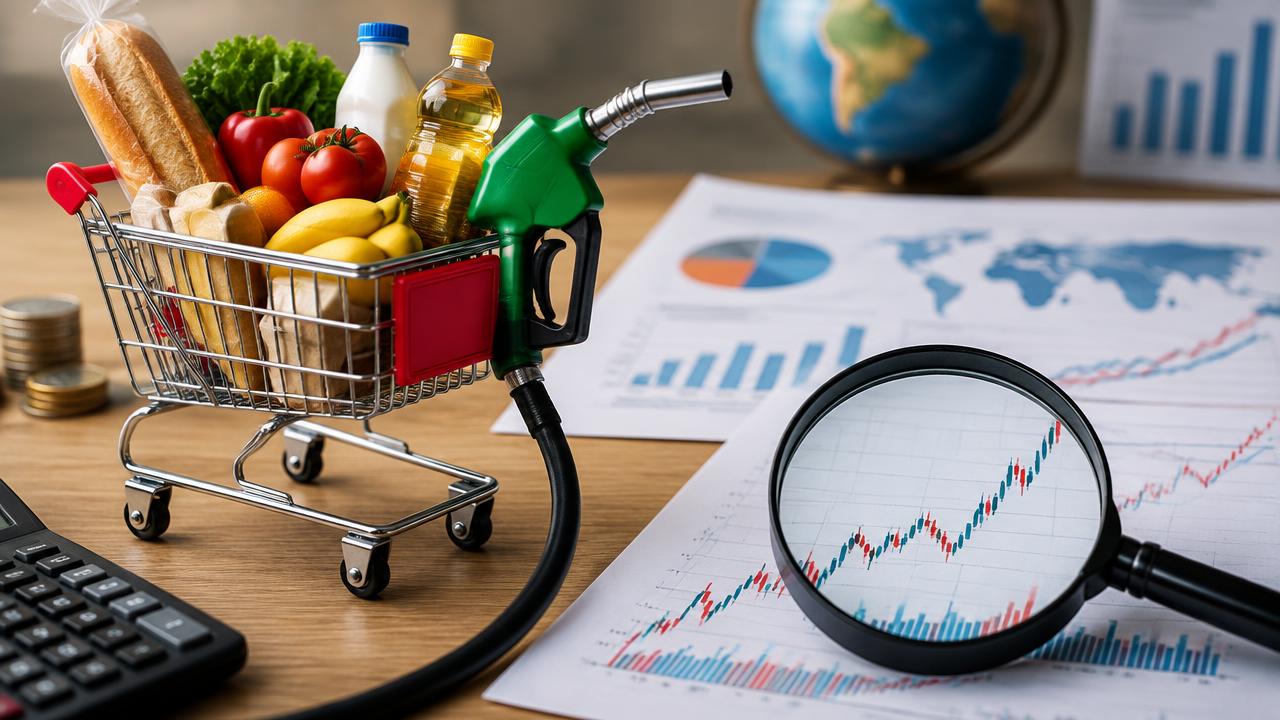
Supply Chain Bottlenecks and Energy Prices: How Oil Volatility Impacts Global Consumer Costs
Oil price swings travel through fuel, freight, plastics and food to consumer prices. Learn how supply chain bottlenecks amplify energy shocks.
Introduction: energy is in everything
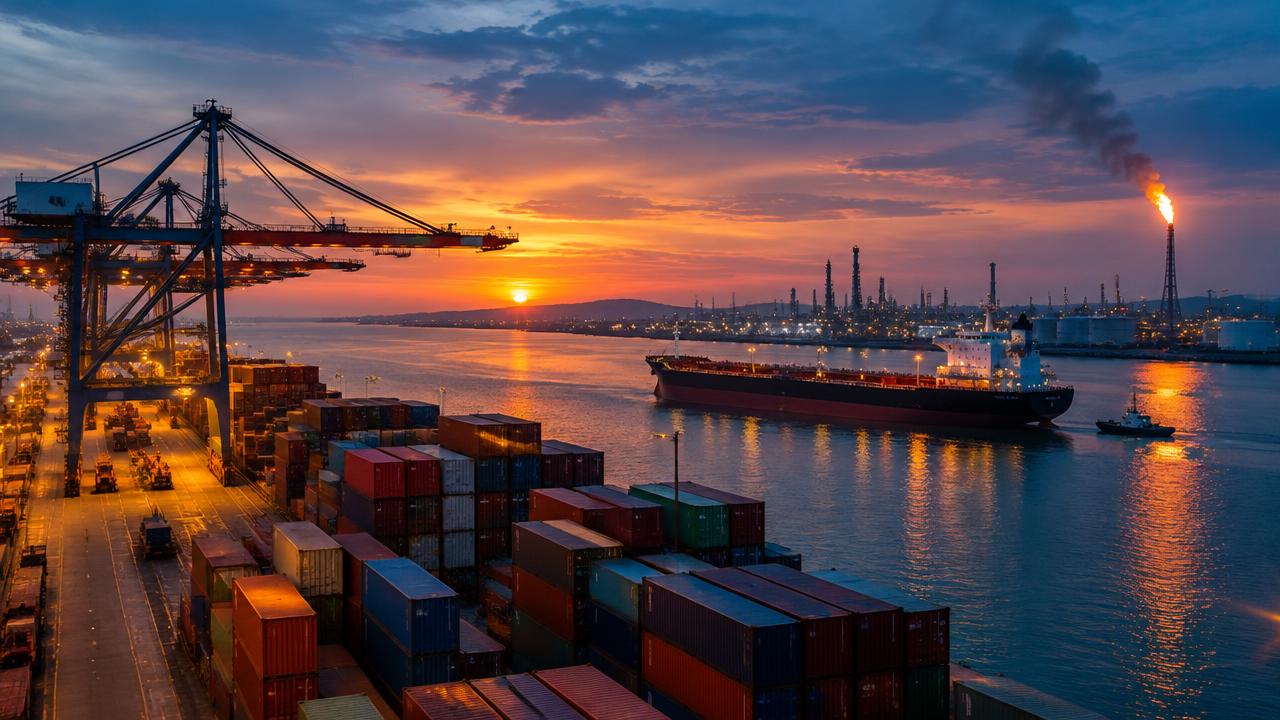
Crude oil is more than the fuel in a car's tank. It powers ships, trucks and aircraft, feeds petrochemical plants that make plastics and fertilisers, and heats factories and homes. When oil prices jump, the effect spreads through almost every supply chain. When those supply chains are already strained — by port congestion, shipping route disruptions or factory shutdowns — the impact on consumer prices can be magnified and prolonged.
- Key takeaway: oil affects consumer prices directly through fuel and indirectly through transport and production costs.
- Key takeaway: a $10 per barrel change equals about 24 US cents per gallon of crude input.
- Key takeaway: bottlenecks delay and amplify the pass-through of energy shocks to inflation.
How oil prices reach consumers
The direct channel is the fastest. Gasoline, diesel, jet fuel and heating oil respond to crude prices within days or weeks. Because a barrel holds 42 US gallons, each $10 change in crude prices adds or subtracts roughly 24 cents from the cost of the crude in a gallon of gasoline, before refining margins, distribution and taxes. In the United States, crude oil has typically represented around half of the retail gasoline price; in countries with high fuel taxes, the share is lower and percentage changes at the pump are smaller.
Indirect channels take longer. Higher diesel prices raise trucking and shipping costs, which companies gradually pass into the prices of food, clothing and electronics. Petrochemical inputs make packaging and synthetic materials more expensive, and fertiliser costs, linked to natural gas, feed into agricultural prices over subsequent harvests.
Crude cost per gallon = Price per barrel ÷ 42
$10 ÷ 42 ≈ $0.24 per gallon
How supply chain bottlenecks amplify the shock
Global supply chains are designed for efficiency, with minimal inventories and just-in-time deliveries. That design works well in stable conditions but becomes fragile when disrupted. The pandemic period demonstrated this: container shipping rates on major Asia–Europe and trans-Pacific routes rose several-fold, port backlogs stretched for weeks, and shortages of semiconductors halted car production.
Geopolitical disruptions to key shipping lanes, such as the Red Sea, the Strait of Hormuz or the Panama Canal during droughts, force longer routes. Longer voyages burn more fuel and tie up more ships, raising freight costs at the same time as energy prices. The combination can push goods inflation higher than an oil shock alone would.
| Channel | Speed of pass-through | Examples |
|---|---|---|
| Retail fuel | Days to weeks | Gasoline, diesel, heating oil |
| Transport and freight | Weeks to months | Trucking, container shipping, airfares |
| Production inputs | Months | Plastics, chemicals, fertilisers |
| Food | Months to a year | Fertiliser, farm fuel, distribution |
| Wages and services | Six months or more | Second-round effects from higher living costs |
A worked example: a household budget shock
Consider a household that buys 60 gallons of gasoline a month at $3.40, spending $204. If crude rises $25 per barrel and refiners pass it through fully, gasoline climbs by about 60 cents to $4.00, raising monthly fuel spending to $240 — an extra $432 a year. If higher freight and input costs then lift a $900 monthly grocery bill by 3%, the household pays another $324 a year. Total: roughly $756 in additional annual costs from a single energy shock.
Central banks watch these second-round effects closely. If workers demand higher wages to compensate and companies raise prices again, a temporary energy shock can turn into persistent inflation.
Fuel increase: 60 gal × $0.60 × 12 ≈ $432 a year
Groceries: $900 × 3% × 12 = $324 a year
Building resilience
Businesses respond by diversifying suppliers, holding larger safety stocks, nearshoring production and hedging fuel costs with futures contracts. Governments maintain strategic petroleum reserves and invest in alternative energy and transport infrastructure. Investors also watch energy-sensitive sectors: airlines, chemical producers and retailers with thin margins tend to suffer when fuel costs rise, while energy producers and some commodity exporters benefit. Breakeven inflation rates in government bond markets often rise alongside oil, revealing how much of the shock markets expect to persist. Households can reduce exposure through fuel-efficient vehicles, energy-efficient homes and budgets that include a buffer for volatile categories such as fuel and food.
Conclusion
Oil volatility reaches consumers through fuel first, then transport, production and food, with each stage adding delay and potential amplification. Supply chain bottlenecks make that transmission stronger. Tracking crude prices, freight rates and core inflation together gives the clearest picture of what lies ahead for household costs. For a recent example of oil market moves, read our report on crude prices falling below $90.
For informational purposes only. This article is not financial advice.
Comments (0)
Loading comments…