MediaPull.co
Google Uncovers Autonomous AI Hacking Framework with Russian-Language CodeHackers Inject Crypto-Stealing Malware Across 178 Major Websites, Including HSBC and LedgerAI and Blockchain Convergence Reshapes Global Markets as Compute Demand and Institutional Tokenization AccelerateArtificial Intelligence Surges to Top Risk for U.S. Financial System in Latest Federal Reserve SurveyBitcoin Miners Pay Paraguay $350 Million Annually, but AI Data Centers Are Pushing Them OutWall Street Shifts from Courtier to Co-Investor with Sovereign Wealth GiantsWhy the GENIUS Act's Stablecoin Protections Stop at the Edge of DeFi LendingBitcoin Decouples from Stock Rally as Institutional ETF Outflows and Miner Sales Weigh on PriceOil Prices Plunge Below $90 as Trump Signals Restraint on Further Middle East StrikesRegional Conflicts Strain Gulf Nations’ Ability to Meet COP31 Climate PledgesUAE AI-Energy Group AIQ Explores Early Commercial Deals to Enter U.S. MarketFinnish Startup Turns Bitcoin Miners into Free Home Heating Systems—as Long as BTC Holds Above $70,000Strong U.S. Payrolls Surge Dollar as U.S.–Iran Diplomatic Stalemate DeepensU.S. Treasury Moves to Sever Crypto Exchange MEXC from American Banking System Over $16 Billion in Illicit FlowsApple and Meta Reject OKX–ICE Tokenized Stock Initiative, Leaving Crypto-Native Firms in the SpotlightBitcoin Core Developer Proposes 'Quantum Landmines' to Deter Future Crypto ThievesGlobal Financial Shift: Bank of England Executes First Rate Hike in Three Years as Diplomatic Signals Emerge from US-Iran TalksDemocrats Retake Both Chambers of Congress as Fears of Escalation in U.S.–Iran Conflict EaseCFTC Faces Major Legal Challenge Over Single-Stock Perpetual Futures Following Crypto Derivatives ExpansionSam Altman Claims PC Owners are "Hogging" Global RAM — and the Internet Responded with MemesChina’s Communist Party Directs Anti-Corruption Investigators to Target Crypto and Blockchain OffensesTensions Escalating in Middle East: Maritime Conflicts Intensify Near Strait of Hormuz Following Leadership Shift in IranBinance Faces Historic $6.3 Billion Security Breach: Key Incident Details and Next StepsPolygon (POL) Redefines Global Payments Strategy Following Key AcquisitionsBinance Leads Q4 Market Resurgence as Tokenized Assets Reach $1B BenchmarkWhat Is Blockchain? A Plain-English Guide to How Crypto Networks WorkBitcoin vs Gold: Comparing Two Stores of Value
InterestRates · FederalReserve · Treasuries · Stocks

How Interest Rates Drive Treasury Yields and the Stock Market

A clear walkthrough of the monetary-policy transmission mechanism: how central-bank rate decisions move bond prices, borrowing costs and stock valuations.
MediaPull Editorial DeskUpdated November 10, 20264 min read
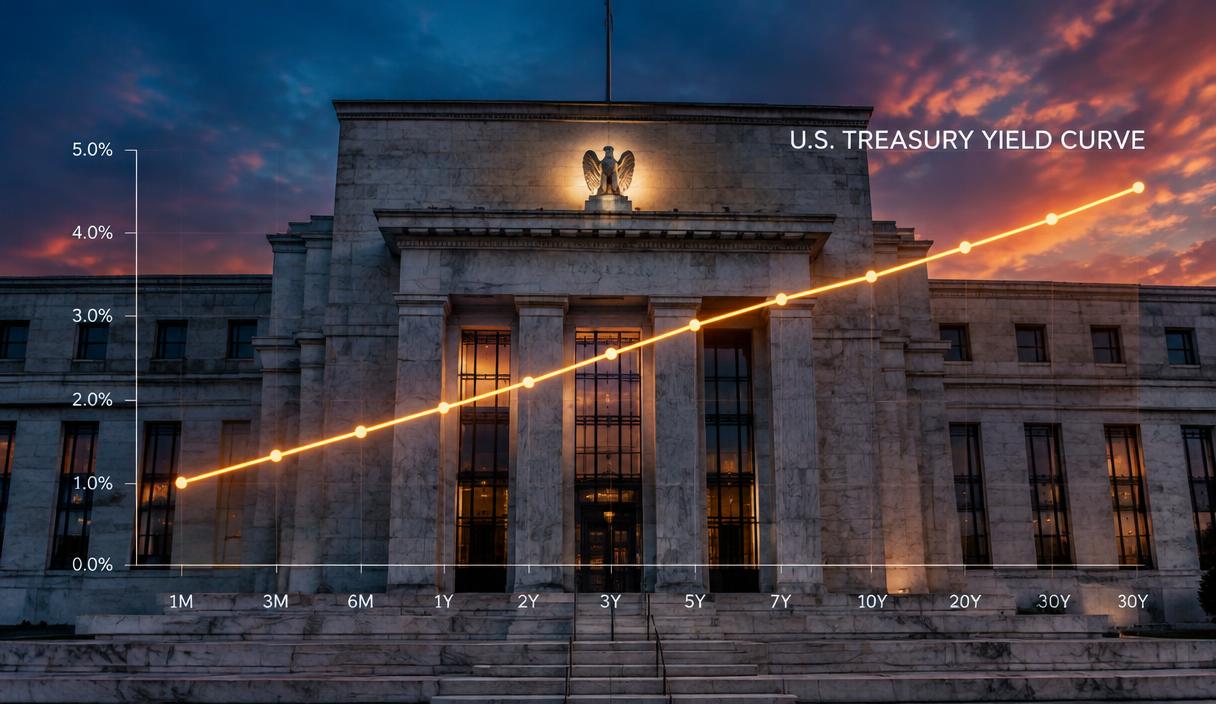
Illustration for How Interest Rates Drive Treasury Yields and the Stock Market

The central bank's main lever

Central banks such as the US Federal Reserve, the European Central Bank and the Bank of England set a short-term benchmark rate to steer inflation toward target. Raise it, and borrowing becomes more expensive and spending cools; cut it, and credit becomes cheaper and activity picks up.

That single rate ripples outward through every asset class — a process economists call the transmission mechanism.

Step one: bond prices and yields

Existing bonds pay a fixed coupon. When new bonds are issued at higher rates, older lower-coupon bonds become less attractive, so their prices fall until their yield matches the market. This inverse relationship is the most direct effect of a rate change.

Longer-maturity bonds are more sensitive: a 1-percentage-point rise in yields can cut a 10-year Treasury's price by roughly 8–9%, while a 2-year note might fall only about 2%.

When rates go up, bond prices go down — the seesaw that underpins every fixed-income portfolio.

Step two: borrowing costs for businesses

Corporate loans, mortgages and credit lines are priced off government yields plus a spread. Higher benchmark rates raise interest expense, squeeze profit margins and make new investment projects harder to justify.

Why growth stocks react most

A stock's value is the present value of its future cash flows. When the discount rate rises, distant profits are worth less today, so high-growth companies whose earnings sit far in the future tend to fall hardest when rates climb.

Step three: equity valuations and liquidity

Rate cuts work in reverse: cheaper money lifts valuations, encourages borrowing and pushes investors out of low-yielding cash into riskier assets. Many historic bull markets began near the end of an easing cycle.

  • Rising rates: pressure on long bonds, growth stocks and real estate; support for bank margins and cash yields.
  • Falling rates: support for long bonds, growth stocks and housing; lower income from savings accounts.

Actionable insights for investors

You cannot control policy, but you can position for it. Match bond duration to your time horizon, avoid over-concentration in rate-sensitive sectors, and keep emergency savings in instruments that reprice quickly when rates rise.

Check rate sensitivity with the Mortgage Calculator

Frequently asked questions

For informational purposes only. This article is not financial advice.

Comments (0)

No account needed. Please be respectful — no email or personal details.

Loading comments…

Related articles