Economic Sanctions and De-Dollarization: Rewriting Global Trade Maps
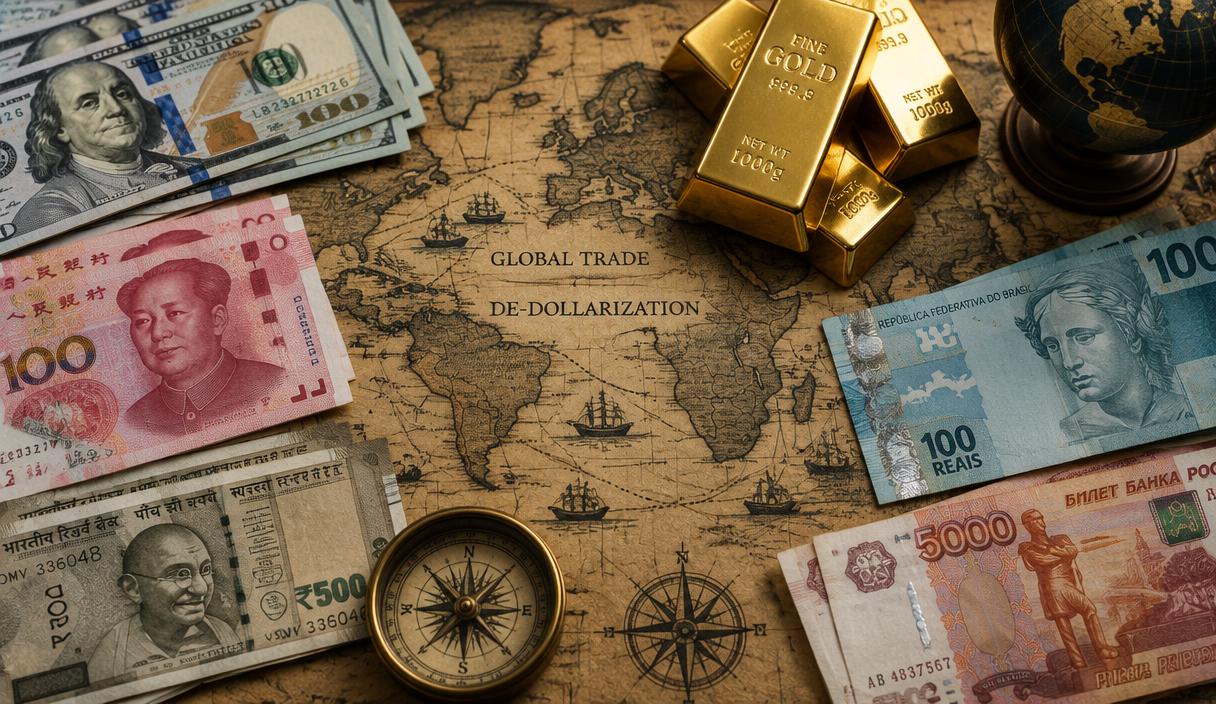
Financial sanctions have pushed emerging economies, including BRICS members, to trade in local currencies and build gold reserves — testing the dollar's reserve-currency role.
The dollar's central role
The US dollar dominates global trade invoicing, foreign-exchange reserves and international lending. That status gives the United States significant financial influence — including the ability to restrict access to dollar payment systems.
Sanctions as a financial weapon
Freezing central-bank reserves and disconnecting banks from international messaging networks have become powerful tools of foreign policy. They also prompt targeted and neutral countries alike to reconsider their reliance on dollar-based infrastructure.
Every use of financial sanctions sends a message to targets and bystanders alike about the risks of concentration.
Strategies of de-dollarization
Emerging economies are pursuing several parallel approaches.
- Bilateral trade settled in local currencies.
- Alternative payment and messaging systems.
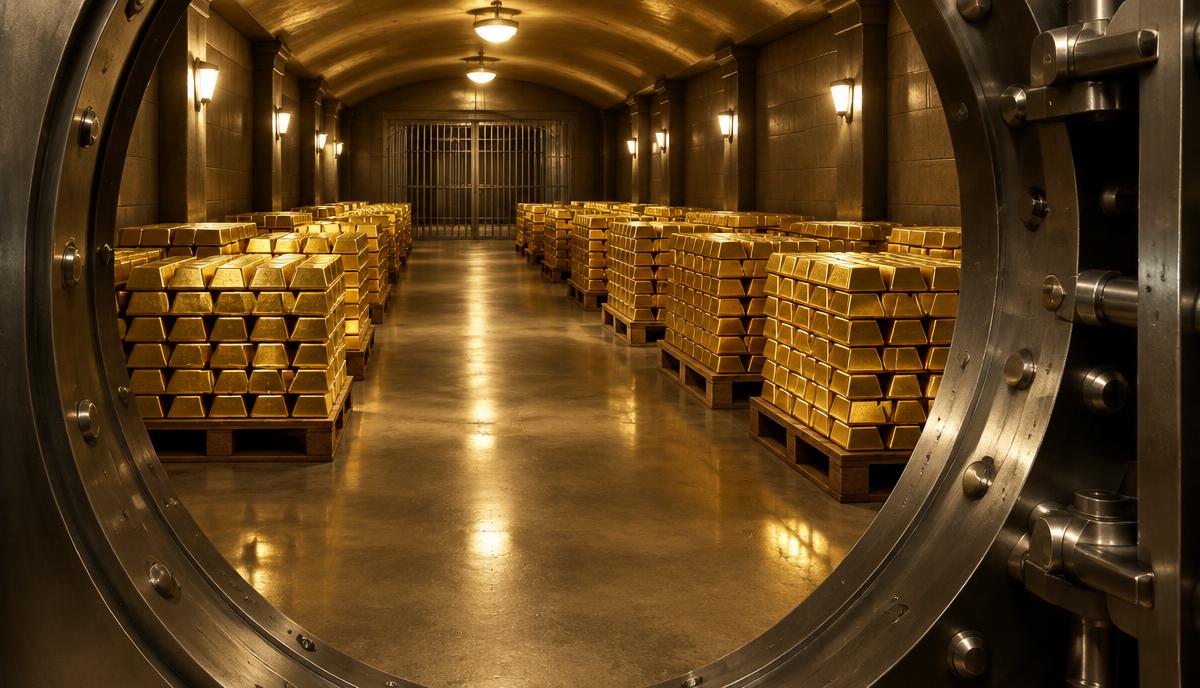
- Central-bank purchases of physical gold, which carries no counterparty risk.
- Currency swap lines between central banks.
How far can it go?
Change is real but gradual.
Structural advantages of the dollar
Deep and liquid capital markets, legal protections and convertibility make the dollar difficult to replace quickly.
Gradual diversification
A more likely outcome is a slow shift toward a multipolar system where the dollar remains dominant but its share of reserves and trade declines.
What it means for savers and businesses
Increased central-bank demand for gold has been one factor supporting prices. Businesses trading internationally may increasingly face invoices in multiple currencies, making currency-risk management more important.
Frequently asked questions
For informational purposes only. This article is not financial advice.
Comments (0)
Loading comments…