The Economic Toll of Geopolitical Conflicts on Commodities and Markets
Military conflicts trigger supply shocks in grain, energy and metals, and drive safe-haven flows into gold and Treasuries — reshaping trade routes and capital allocation.
Conflict as an economic shock
Regional military conflicts affect far more than the countries directly involved. By disrupting production and transport, they send shockwaves through global commodity markets and investor portfolios.
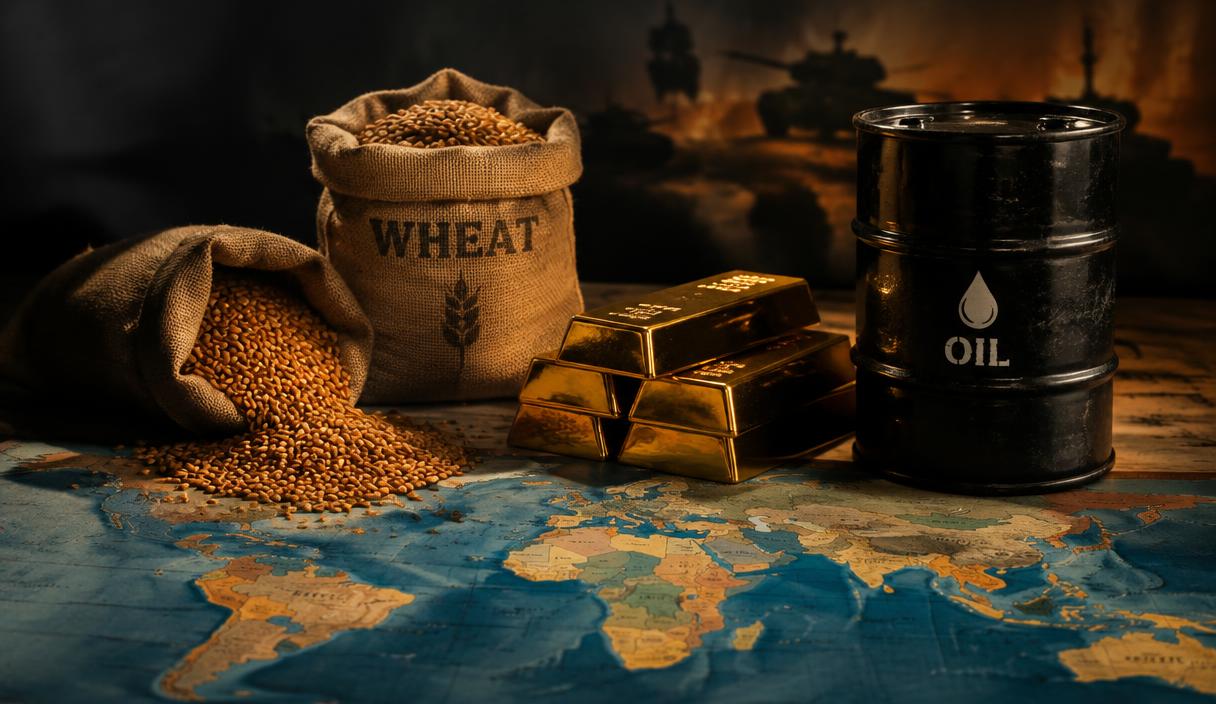
Supply shocks across commodities
The most exposed markets are those where production is geographically concentrated.
- Agricultural grains: conflicts in major exporting regions can disrupt wheat, corn and fertiliser supplies.
- Energy: threats to producers or shipping lanes lift oil and gas prices.
- Industrial metals: sanctions or damage to mines and smelters tighten supply of nickel, aluminium and others.
Safe-haven flows
When uncertainty spikes, investors seek assets perceived as stores of value.
Gold
Gold has no counterparty risk and has served as a crisis hedge for centuries. Prices have often risen during periods of heightened military tension.
US Treasuries and reserve currencies
High-quality government bonds and currencies such as the US dollar and Swiss franc often attract inflows during crises.
Restructuring trade and capital
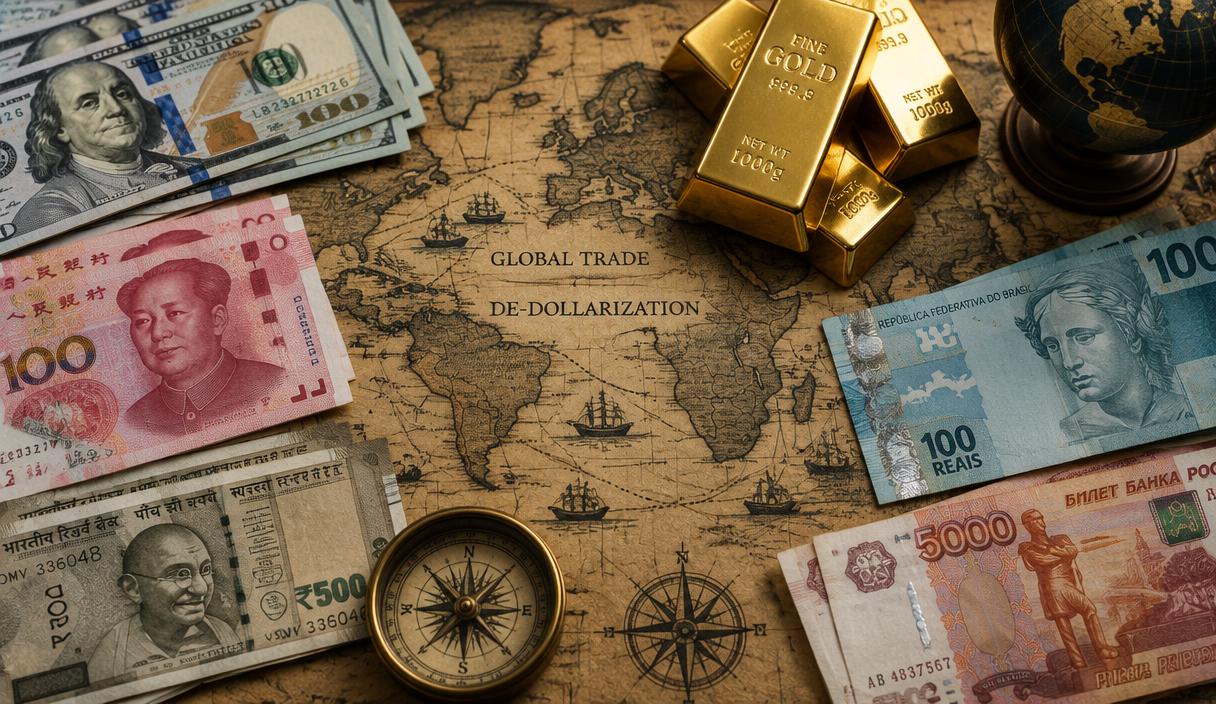
Prolonged conflicts lead companies and governments to reroute trade, secure alternative suppliers and reconsider where they invest. These shifts can outlast the conflict itself.
Markets can price risk, but they struggle to price uncertainty — and conflict is uncertainty in its purest form.
Implications for investors
Diversification across regions and asset classes, a modest allocation to traditional safe havens, and avoiding panic selling during headline-driven volatility are the most reliable defences.
Frequently asked questions
For informational purposes only. This article is not financial advice.
Comments (0)
Loading comments…