MediaPull.co
Google Uncovers Autonomous AI Hacking Framework with Russian-Language CodeHackers Inject Crypto-Stealing Malware Across 178 Major Websites, Including HSBC and LedgerAI and Blockchain Convergence Reshapes Global Markets as Compute Demand and Institutional Tokenization AccelerateArtificial Intelligence Surges to Top Risk for U.S. Financial System in Latest Federal Reserve SurveyBitcoin Miners Pay Paraguay $350 Million Annually, but AI Data Centers Are Pushing Them OutWall Street Shifts from Courtier to Co-Investor with Sovereign Wealth GiantsWhy the GENIUS Act's Stablecoin Protections Stop at the Edge of DeFi LendingBitcoin Decouples from Stock Rally as Institutional ETF Outflows and Miner Sales Weigh on PriceOil Prices Plunge Below $90 as Trump Signals Restraint on Further Middle East StrikesRegional Conflicts Strain Gulf Nations’ Ability to Meet COP31 Climate PledgesUAE AI-Energy Group AIQ Explores Early Commercial Deals to Enter U.S. MarketFinnish Startup Turns Bitcoin Miners into Free Home Heating Systems—as Long as BTC Holds Above $70,000Strong U.S. Payrolls Surge Dollar as U.S.–Iran Diplomatic Stalemate DeepensU.S. Treasury Moves to Sever Crypto Exchange MEXC from American Banking System Over $16 Billion in Illicit FlowsApple and Meta Reject OKX–ICE Tokenized Stock Initiative, Leaving Crypto-Native Firms in the SpotlightBitcoin Core Developer Proposes 'Quantum Landmines' to Deter Future Crypto ThievesGlobal Financial Shift: Bank of England Executes First Rate Hike in Three Years as Diplomatic Signals Emerge from US-Iran TalksDemocrats Retake Both Chambers of Congress as Fears of Escalation in U.S.–Iran Conflict EaseCFTC Faces Major Legal Challenge Over Single-Stock Perpetual Futures Following Crypto Derivatives ExpansionSam Altman Claims PC Owners are "Hogging" Global RAM — and the Internet Responded with MemesChina’s Communist Party Directs Anti-Corruption Investigators to Target Crypto and Blockchain OffensesTensions Escalating in Middle East: Maritime Conflicts Intensify Near Strait of Hormuz Following Leadership Shift in IranBinance Faces Historic $6.3 Billion Security Breach: Key Incident Details and Next StepsPolygon (POL) Redefines Global Payments Strategy Following Key AcquisitionsBinance Leads Q4 Market Resurgence as Tokenized Assets Reach $1B BenchmarkWhat Is Blockchain? A Plain-English Guide to How Crypto Networks WorkBitcoin vs Gold: Comparing Two Stores of Value
GeopoliticalRisk · Tariffs · RiskManagement · InternationalBusiness

Geopolitical Risk Management Strategies for Cross-Border Businesses and Portfolios

Tariffs, currency controls and regulatory fragmentation threaten international operations. Risk models, political risk insurance and diversified supply nodes protect assets.
MediaPull Editorial DeskUpdated November 1, 20264 min read
Illustration for Geopolitical Risk Management Strategies for Cross-Border Businesses and Portfolios

Operating in a fragmented world

International enterprises face a growing web of trade tariffs, export controls, currency restrictions and divergent regulations. State-level interventions can change the economics of a market overnight.

Identifying the risks

A structured inventory is the first step.

  • Trade risk: tariffs, quotas and export controls.
  • Transfer risk: currency controls that prevent repatriating profits.
  • Expropriation and contract risk: government seizure or forced renegotiation.
  • Regulatory risk: sudden changes to licensing, data or ownership rules.
  • Security risk: conflict or civil unrest affecting staff and facilities.

Assessment models

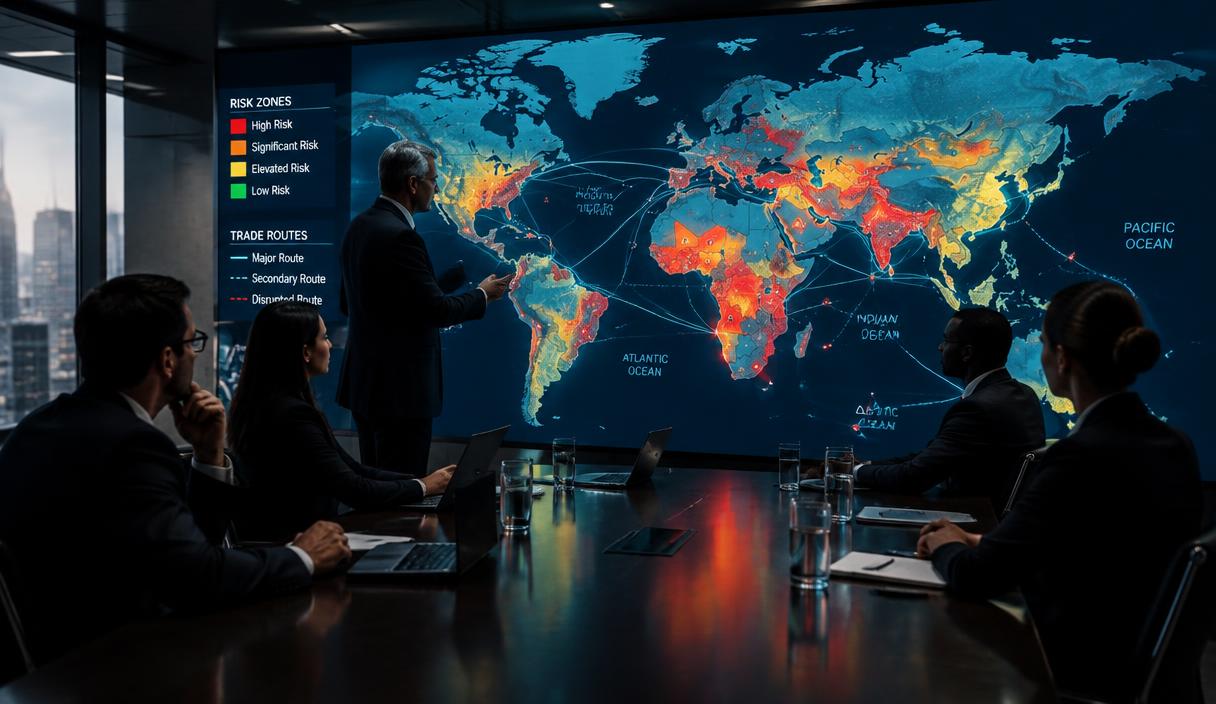
Many firms score each market on likelihood and impact, producing a heat map that guides investment and contingency planning.

Scenario planning

Develop several plausible futures — escalation, stalemate, resolution — and test how revenue, costs and supply would respond in each.

Early-warning indicators

Track elections, diplomatic statements, sanctions announcements and capital-flow data to update scores continuously.

Mitigation tools

Several instruments transfer or reduce exposure.

  • Political risk insurance from private insurers or multilateral agencies.
  • Diversified international supply nodes and dual sourcing.
  • Currency hedging and local-currency financing.
  • Contract clauses specifying international arbitration.

Applying the lessons to portfolios

Individual investors can apply the same principles: avoid concentration in a single country, understand where portfolio companies actually earn revenue, and hold a portion of assets that historically perform well in crises.

You cannot predict geopolitics, but you can decide in advance how much any single event is allowed to hurt you.
Check exchange rates with the Currency Converter

Frequently asked questions

For informational purposes only. This article is not financial advice.

Comments (0)

No account needed. Please be respectful — no email or personal details.

Loading comments…

Related articles