MediaPull.co
Google Uncovers Autonomous AI Hacking Framework with Russian-Language CodeHackers Inject Crypto-Stealing Malware Across 178 Major Websites, Including HSBC and LedgerAI and Blockchain Convergence Reshapes Global Markets as Compute Demand and Institutional Tokenization AccelerateArtificial Intelligence Surges to Top Risk for U.S. Financial System in Latest Federal Reserve SurveyBitcoin Miners Pay Paraguay $350 Million Annually, but AI Data Centers Are Pushing Them OutWall Street Shifts from Courtier to Co-Investor with Sovereign Wealth GiantsWhy the GENIUS Act's Stablecoin Protections Stop at the Edge of DeFi LendingBitcoin Decouples from Stock Rally as Institutional ETF Outflows and Miner Sales Weigh on PriceOil Prices Plunge Below $90 as Trump Signals Restraint on Further Middle East StrikesRegional Conflicts Strain Gulf Nations’ Ability to Meet COP31 Climate PledgesUAE AI-Energy Group AIQ Explores Early Commercial Deals to Enter U.S. MarketFinnish Startup Turns Bitcoin Miners into Free Home Heating Systems—as Long as BTC Holds Above $70,000Strong U.S. Payrolls Surge Dollar as U.S.–Iran Diplomatic Stalemate DeepensU.S. Treasury Moves to Sever Crypto Exchange MEXC from American Banking System Over $16 Billion in Illicit FlowsApple and Meta Reject OKX–ICE Tokenized Stock Initiative, Leaving Crypto-Native Firms in the SpotlightBitcoin Core Developer Proposes 'Quantum Landmines' to Deter Future Crypto ThievesGlobal Financial Shift: Bank of England Executes First Rate Hike in Three Years as Diplomatic Signals Emerge from US-Iran TalksDemocrats Retake Both Chambers of Congress as Fears of Escalation in U.S.–Iran Conflict EaseCFTC Faces Major Legal Challenge Over Single-Stock Perpetual Futures Following Crypto Derivatives ExpansionSam Altman Claims PC Owners are "Hogging" Global RAM — and the Internet Responded with MemesChina’s Communist Party Directs Anti-Corruption Investigators to Target Crypto and Blockchain OffensesTensions Escalating in Middle East: Maritime Conflicts Intensify Near Strait of Hormuz Following Leadership Shift in IranBinance Faces Historic $6.3 Billion Security Breach: Key Incident Details and Next StepsPolygon (POL) Redefines Global Payments Strategy Following Key AcquisitionsBinance Leads Q4 Market Resurgence as Tokenized Assets Reach $1B BenchmarkWhat Is Blockchain? A Plain-English Guide to How Crypto Networks WorkBitcoin vs Gold: Comparing Two Stores of Value
SupplyChain · Logistics · Resilience · Manufacturing

Global Supply Chain Disruptions: Lessons Learned and Building Resilient Networks

Post-pandemic bottlenecks exposed just-in-time fragility. Regional diversification, buffer inventory, predictive analytics and multimodal freight now define resilience.
MediaPull Editorial DeskUpdated November 4, 20264 min read
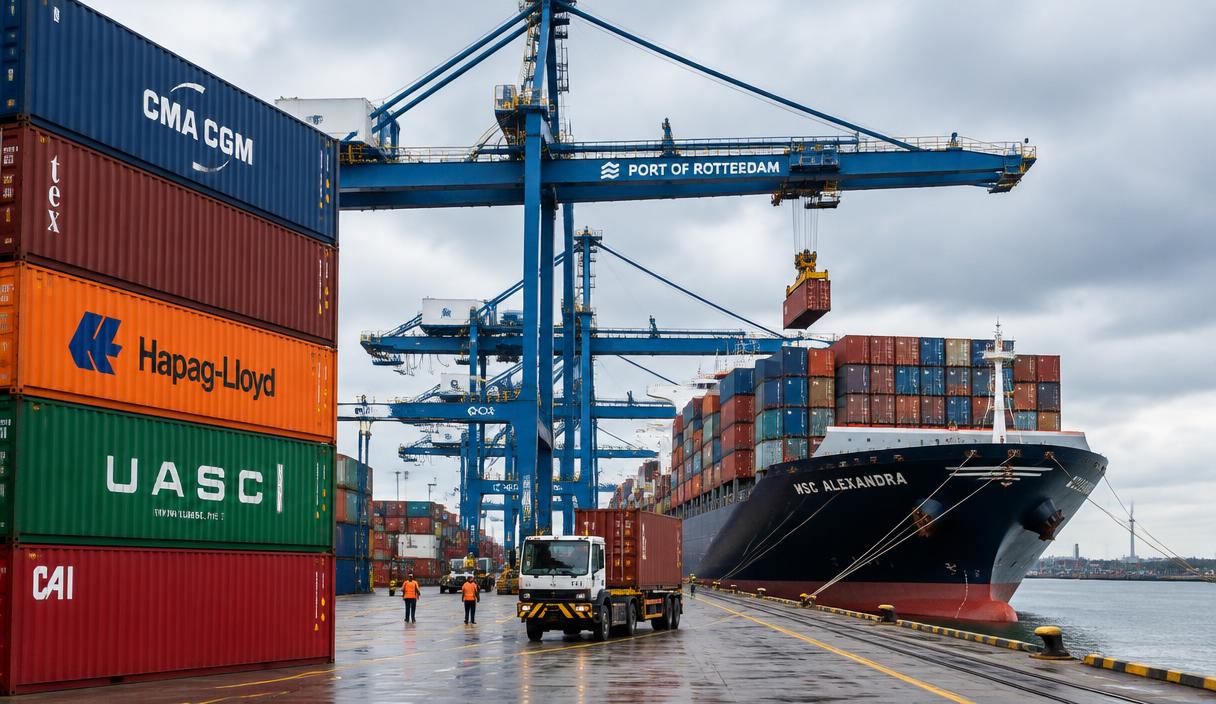
Illustration for Global Supply Chain Disruptions: Lessons Learned and Building Resilient Networks

The fragility of just-in-time

For decades, just-in-time manufacturing minimised inventory and maximised efficiency. The pandemic, port closures and semiconductor shortages showed the hidden cost: when one link breaks, the entire chain stops.

Lessons learned

Companies that weathered disruption best shared several traits.

  • Visibility beyond tier-one suppliers into the sub-suppliers that actually make critical parts.
  • Multiple qualified sources for key components.
  • Strong relationships that secured priority allocation during shortages.
  • Flexible logistics contracts rather than single-carrier dependence.

Building resilient networks

Resilience is now a board-level priority.

Regional diversification

'China plus one', near-shoring and friend-shoring strategies spread production across regions to reduce exposure to any single country or route.

Buffer inventories

Holding strategic safety stock of critical items — a 'just-in-case' layer — trades some carrying cost for continuity.

Predictive analytics

Demand forecasting and supplier-risk scoring help planners see shortages coming weeks earlier.

Multimodal freight optimisation

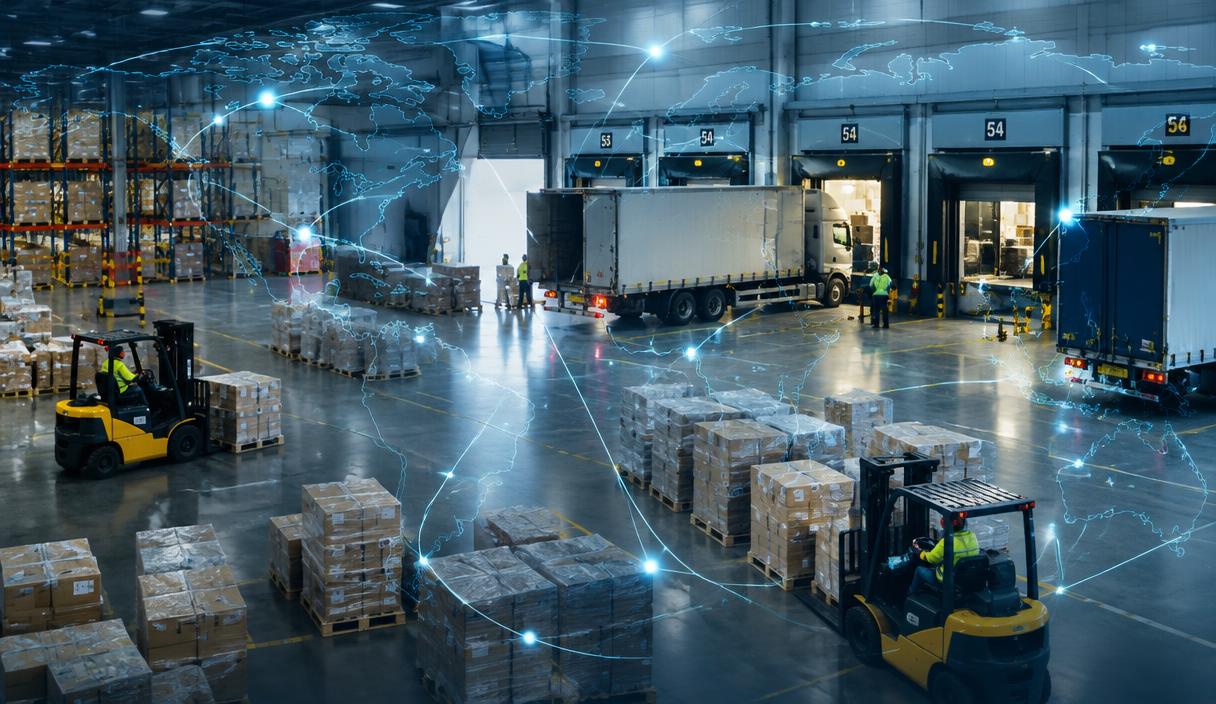
Combining sea, rail, road and air provides alternatives when one mode is congested.

Balancing cost and resilience

Resilience is not free. The goal is not maximum inventory, but the right buffer for the items whose absence would halt revenue.

Efficiency optimises for the expected; resilience prepares for the unexpected.

Measuring the trade-off

Model the carrying cost of extra inventory against the revenue at risk from a stock-out to find the right balance for each product line.

Frequently asked questions

For informational purposes only. This article is not financial advice.

Comments (0)

No account needed. Please be respectful — no email or personal details.

Loading comments…

Related articles