Oil and Gas Market Dynamics: How Geopolitics Control Global Energy Prices
OPEC+ quotas, maritime choke points like the Strait of Hormuz and Suez Canal, and shifting energy mixes drive crude and gas volatility — and global costs.
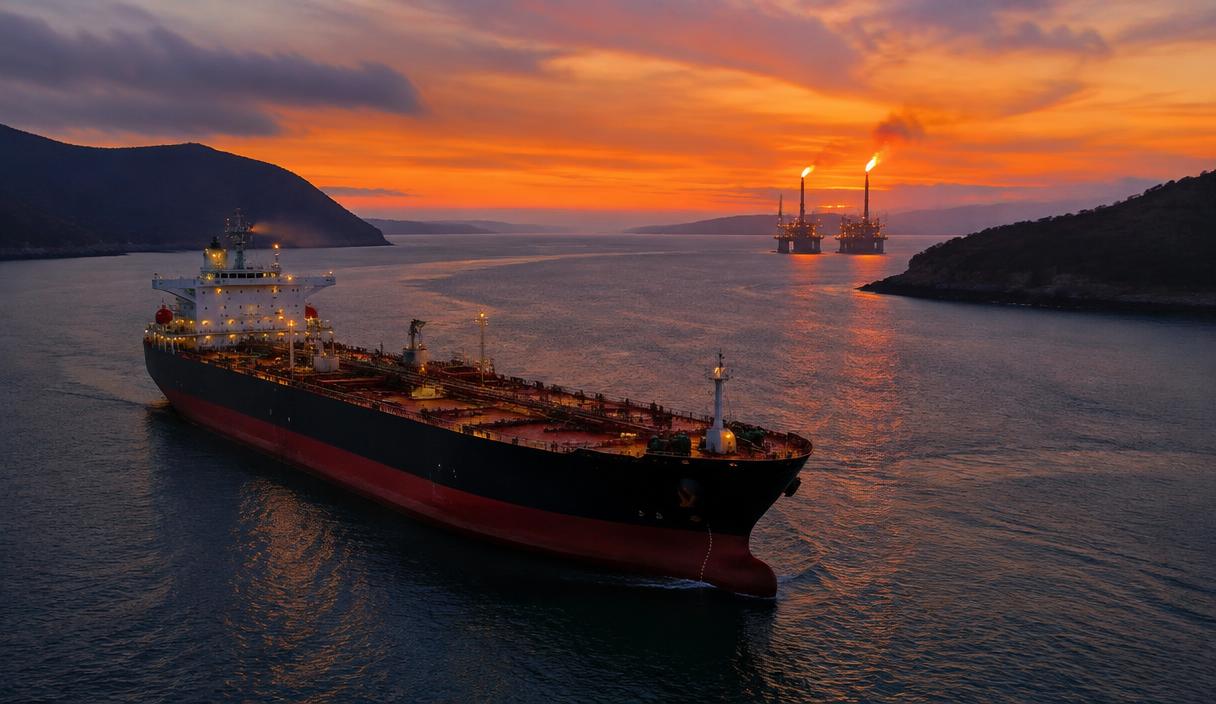
The lifeblood of global industry
Despite the growth of renewables, oil and natural gas still power most of the world's transport, petrochemicals and a large share of electricity. Their prices feed directly into inflation, corporate margins and national budgets.
Supply management by OPEC+
The OPEC+ group, which includes Saudi Arabia and Russia, coordinates production quotas to influence prices. Announced cuts can lift prices within hours; disagreements within the group can trigger sharp sell-offs.
Spare capacity
The amount of production that can be brought online quickly acts as a shock absorber. When spare capacity is thin, even small disruptions cause large price moves.
Geopolitical choke points
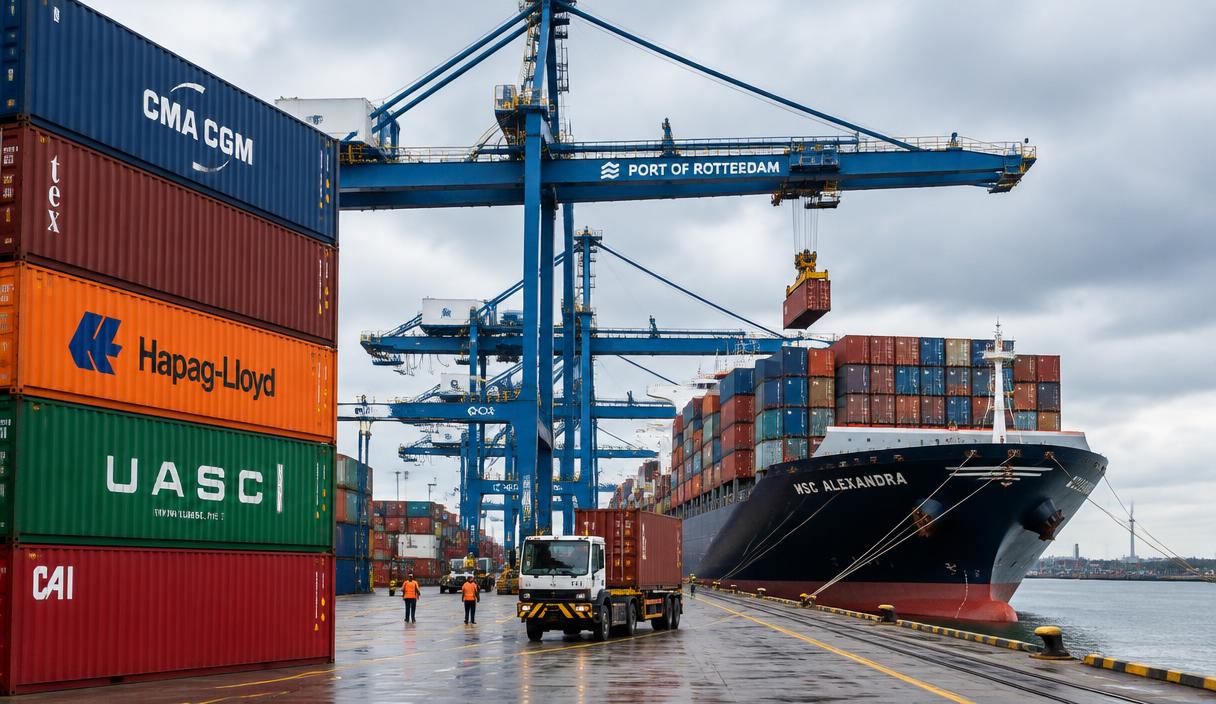
A large share of seaborne energy passes through a few narrow waterways.
- Strait of Hormuz: a vital route for Gulf crude and liquefied natural gas exports.
- Suez Canal and Bab el-Mandeb: link Europe with Asia and the Gulf.
- Strait of Malacca: the main corridor for energy shipments to East Asia.
Why prices are so volatile
Short-term demand and supply for energy are both relatively inelastic — people still need to drive and factories still need fuel — so small imbalances produce large price swings. Futures markets amplify moves as traders price in risk.
In energy markets, the fear of a disruption can move prices almost as much as the disruption itself.
The shifting energy mix
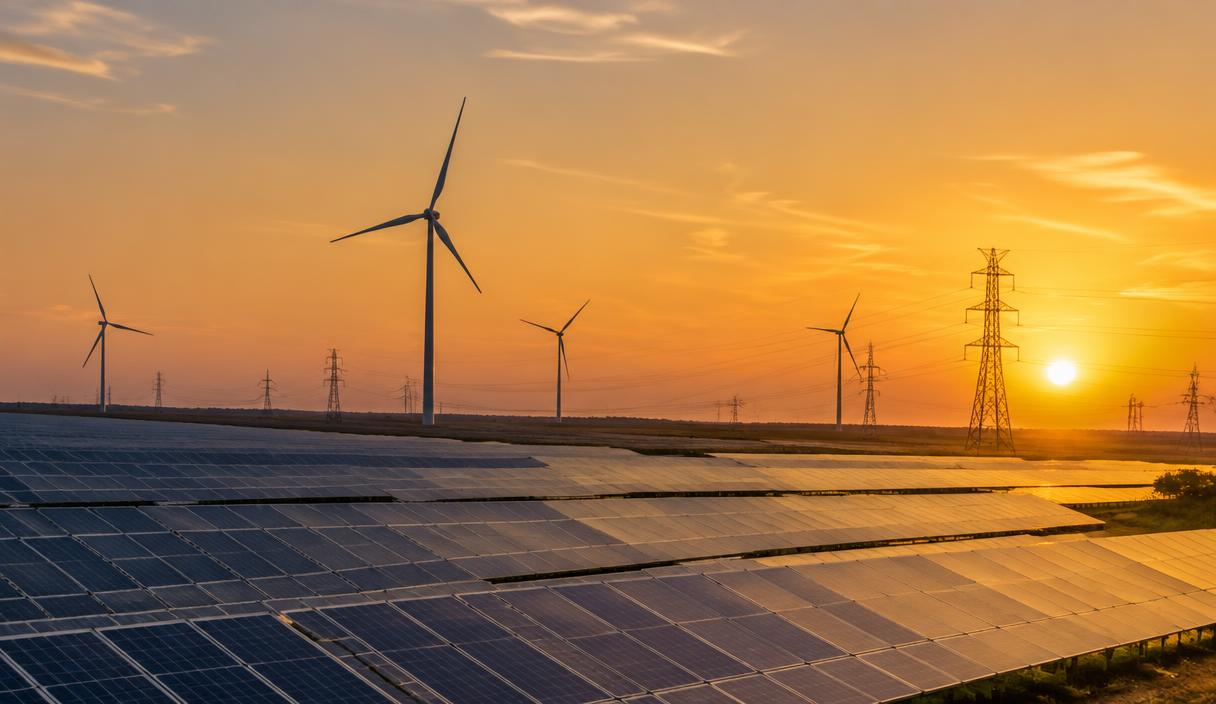
Growth in renewables, electric vehicles and LNG trade is gradually changing the demand picture, but transition periods can increase volatility as investment in traditional supply slows before alternatives fully scale.
Frequently asked questions
For informational purposes only. This article is not financial advice.
Comments (0)
Loading comments…