How Spot Gold Prices Are Determined Globally: LBMA, COMEX, and Currency Impacts
Spot gold is not set by one exchange. Learn how the London OTC market, the LBMA auction, COMEX futures and currency moves combine into the price you see.

Introduction: one metal, many prices
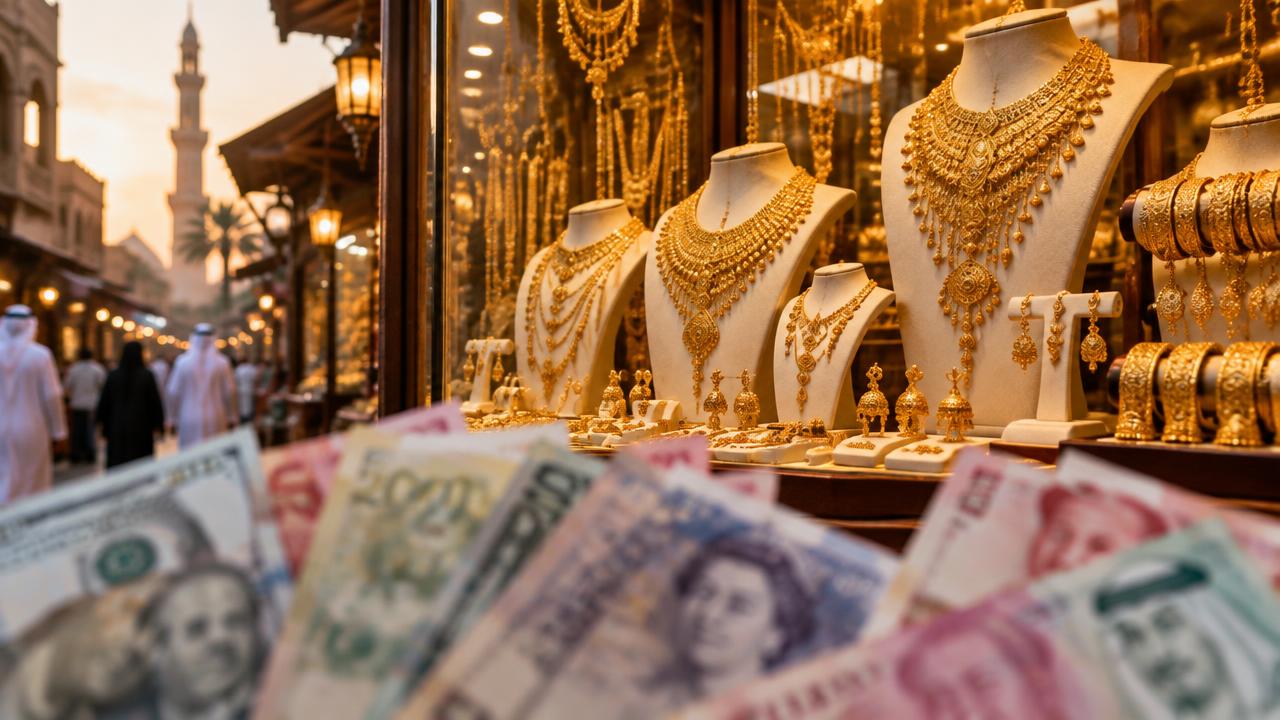
The gold price quoted on financial television looks like a single number, but no single exchange sets it. Spot gold is a consensus price that emerges from a round-the-clock network of over-the-counter dealers, futures exchanges and benchmark auctions spread across London, New York, Shanghai, Zurich and Dubai. Understanding how those venues interact explains why your local jeweler's price can move even when the dollar quote is flat.
Spot simply means the price for immediate delivery, conventionally settled two business days after the trade. It is quoted in US dollars per troy ounce (31.1035 grams), and every other currency price is derived from it.
- Key takeaway: London's over-the-counter market is the largest physical trading hub and anchors the spot price.
- Key takeaway: COMEX futures in New York provide most price discovery during US hours.
- Key takeaway: a local-currency gold price equals the dollar spot price multiplied by the exchange rate.
London: the OTC market and the LBMA Gold Price
Most physical gold changes hands in London between banks, refiners and dealers who are members of the London Bullion Market Association. These trades are bilateral rather than exchange-listed, and they settle in 'loco London' gold — 400-ounce Good Delivery bars stored in vaults in and around the city, including the Bank of England.
Twice each business day, at 10:30 and 15:00 London time, an electronic auction administered by ICE Benchmark Administration produces the LBMA Gold Price. Participants submit buy and sell volumes at a proposed price, and the price is adjusted in rounds until supply and demand balance within a set tolerance. The result is a benchmark used to value central-bank holdings, settle contracts, and price many exchange-traded funds.
New York: COMEX futures and price discovery
The COMEX division of CME Group lists the world's most actively traded gold futures contract, each representing 100 troy ounces. Futures are agreements to buy or sell at a future date, but because they trade nearly 23 hours a day with deep liquidity, the front-month contract often leads the spot market, especially when US economic data is released.
Futures normally trade above spot by an amount reflecting interest rates and storage costs, a structure called contango. Arbitrage keeps the two aligned: when the gap widens beyond financing costs, traders buy physical metal and sell futures. Shanghai's Gold Exchange and other Asian venues add demand signals during their trading hours, sometimes at a local premium.
| Venue | Type | Main role |
|---|---|---|
| London OTC (LBMA) | Bilateral physical trading | Largest physical volume; twice-daily benchmark |
| COMEX (New York) | Regulated futures exchange | Price discovery and hedging in US hours |
| Shanghai Gold Exchange | Physical spot exchange | Chinese demand; yuan pricing and local premium |
| Dubai / Zurich | Refining and trading hubs | Physical flows between producers and buyers |
Currency impacts: a worked example
Because gold is priced in dollars, a buyer elsewhere faces two moving parts: the dollar price and their exchange rate. A stronger dollar usually weighs on the dollar gold price, yet it can raise the price in weaker currencies at the same time.
Suppose spot gold is $2,400 per ounce and the euro trades at 1.08 dollars. The euro price is about €2,222. If gold stays at $2,400 but the euro falls to 1.02, the euro price rises to roughly €2,353 — a 5.9% increase for a European buyer with no change in the global dollar quote.
Local price per oz = USD spot ÷ (USD per 1 unit of local currency)
€ price = $2,400 ÷ 1.08 ≈ €2,222
Price per gram = Price per oz ÷ 31.1035
What moves spot gold day to day
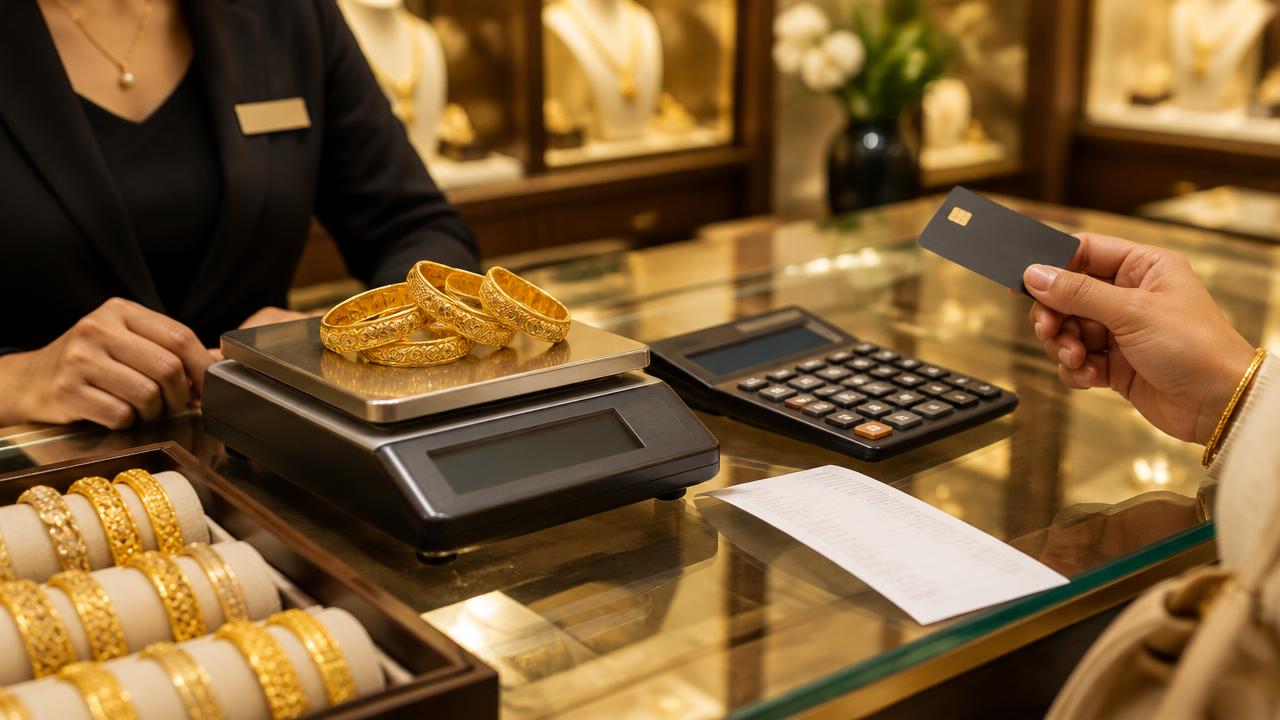
Short-term moves are driven by real interest rates, the dollar index, futures positioning by funds, and headlines about geopolitics. Longer-term trends reflect central-bank purchases, mine supply growth of roughly 1% to 2% a year, and investment demand through bars, coins and funds. Retail prices add dealer premiums, fabrication charges and local taxes on top of spot.
Liquidity also varies through the day. Prices can gap during the quiet hours between the New York close and the Asian open, which is why quotes from different websites may briefly disagree. Reputable data providers publish the time of each quote, and comparing that timestamp with the source venue is the simplest way to judge whether a price is current.
Conclusion
Spot gold is the product of a global relay: London sets the physical tone and benchmark, New York futures dominate price discovery in US hours, Asian exchanges reveal regional demand, and currency markets translate the result into every local price. When you check a quote, ask which venue, which currency and which premium it includes. For the forces behind those moves, read our explainer on real interest rates and gold.
For informational purposes only. This article is not financial advice.
Comments (0)
Loading comments…