How Local Currency Exchange Rates Affect Domestic Gold Prices in the Middle East and Asia
Gold is priced in dollars, so local prices in Dubai, Riyadh, Mumbai or Istanbul depend on exchange rates. See how pegs, devaluations and duties shape them.
Introduction: the dollar behind every local quote
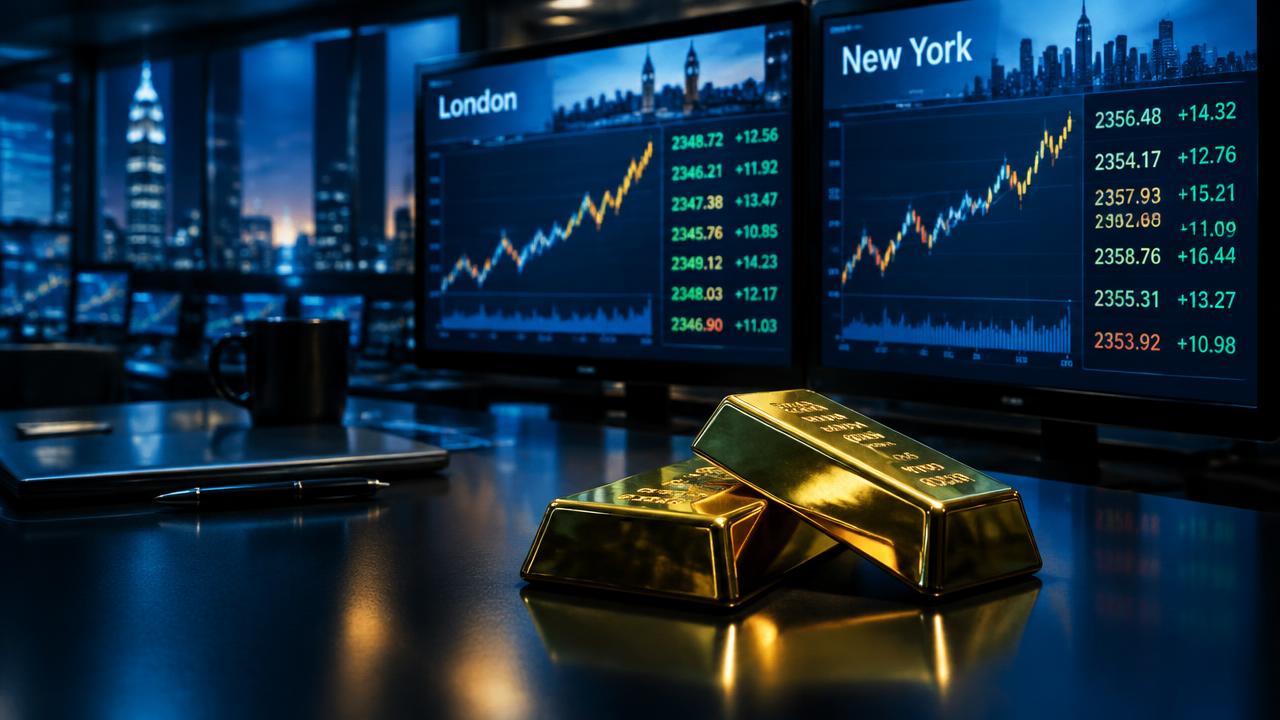
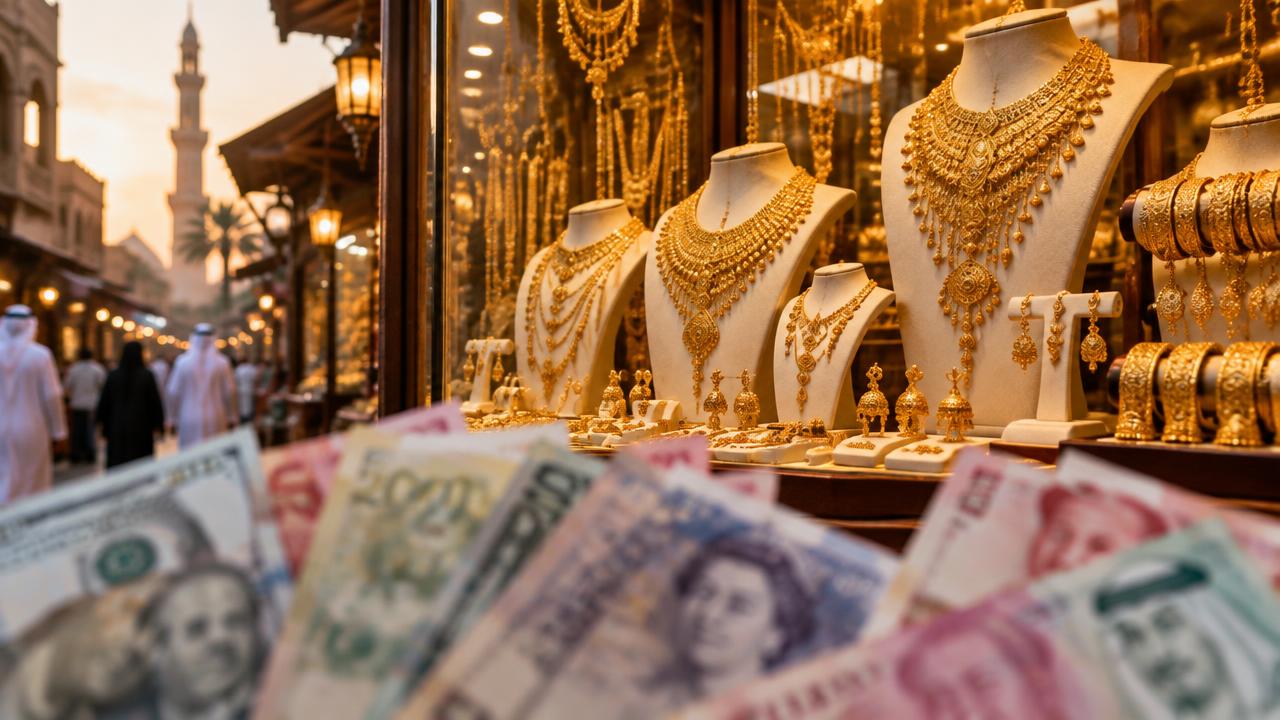
Gold buyers in Dubai, Riyadh, Karachi, Mumbai or Istanbul see prices in dirhams, riyals, rupees or lira, but the metal itself is priced globally in US dollars. Every local quote is therefore the dollar spot price translated through an exchange rate, then adjusted for duties, taxes and dealer margins. When the local currency moves, the domestic gold price moves too, even if the international price is unchanged.
This explains why gold can hit record highs in one country while the global price is below its peak, and why the metal is so popular as a savings vehicle in economies with a history of currency weakness.
- Key takeaway: domestic price = dollar spot ÷ ounces-to-grams factor × exchange rate + local costs.
- Key takeaway: pegged Gulf currencies pass dollar gold moves through almost one-for-one.
- Key takeaway: floating or depreciating currencies can amplify local gold returns.
Pegged currencies: the Gulf experience
Most Gulf Cooperation Council currencies are pegged to the US dollar. The UAE dirham has been fixed at about 3.6725 per dollar since 1997, and the Saudi riyal at 3.75 since 1986. For buyers in these markets, the local gold price tracks the dollar price almost exactly; currency risk is minimal. Price differences between Dubai and New York come mainly from VAT on certain items, making charges and retail competition rather than exchange rates.
Kuwait is a partial exception, pegging its dinar to an undisclosed basket of currencies, so small differences can emerge when the dollar moves against other major currencies.
Floating currencies: India, Pakistan, Turkey and Egypt
In countries with floating or managed currencies, exchange rates matter as much as the global price. When the Indian rupee weakens against the dollar, the rupee price of gold rises even if dollar gold is flat. Import duties add a further layer: India's customs duty on gold has been cut and raised several times, and each change moves domestic prices immediately.
Sharp devaluations produce the most dramatic effects. The Turkish lira lost a large share of its value against the dollar between 2018 and 2023, and the Egyptian pound was devalued several times from 2016 onward. In both countries, local gold prices rose far faster than international prices, reinforcing gold's role as protection against domestic currency risk. Local premiums can also appear when import restrictions limit supply.
| Market | Currency regime | Effect on local gold price |
|---|---|---|
| UAE | Pegged (AED 3.6725 / USD) | Tracks dollar gold closely |
| Saudi Arabia | Pegged (SAR 3.75 / USD) | Tracks dollar gold closely |
| India | Managed float + import duty | FX and duty changes amplify moves |
| Turkey | Floating, high inflation | Local price can rise far above global trend |
| China | Managed float, import quotas | Shanghai premium or discount to London |
A worked example: same gold, two currencies
Assume spot gold is $2,400 per ounce, or about $77.16 per gram. In the UAE, at 3.6725 dirhams per dollar, 24K gold costs roughly AED 283.4 per gram before making charges. In India, at 84 rupees per dollar, the same gram is about ₹6,481 before import duty and GST. Now suppose dollar gold is unchanged but the rupee weakens to 88. The Indian price rises to about ₹6,790 — a 4.8% increase — while the UAE price does not move.
Local price per gram = (USD spot ÷ 31.1035) × FX rate
UAE: $77.16 × 3.6725 ≈ AED 283.4
India: $77.16 × 84 ≈ ₹6,481; at 88 ≈ ₹6,790
Practical guidance for local buyers
Track both the dollar gold price and your exchange rate; the combination determines your cost. In pegged markets, focus on global gold drivers. In floating markets, watch central-bank policy, inflation and import rules, which can move local prices independently. Compare retail quotes against the theoretical local price to see what premium you are paying, and remember that gold bought as a currency hedge works best when held for the long term. Our currency converter helps you translate dollar quotes into your local currency instantly.
Seasonal demand also matters in Asia. Wedding seasons, Diwali and Akshaya Tritiya in India, and Lunar New Year in China often lift local premiums, while price spikes can push premiums to discounts as buyers wait for better levels.
Conclusion
Domestic gold prices across the Middle East and Asia are a product of two markets at once: global gold and local foreign exchange. Pegs make Gulf prices mirror the dollar; floating and depreciating currencies can turn gold into a strong local performer even in flat global markets. Knowing which regime you live under is the first step to understanding what you really pay.
For informational purposes only. This article is not financial advice.
Comments (0)
Loading comments…