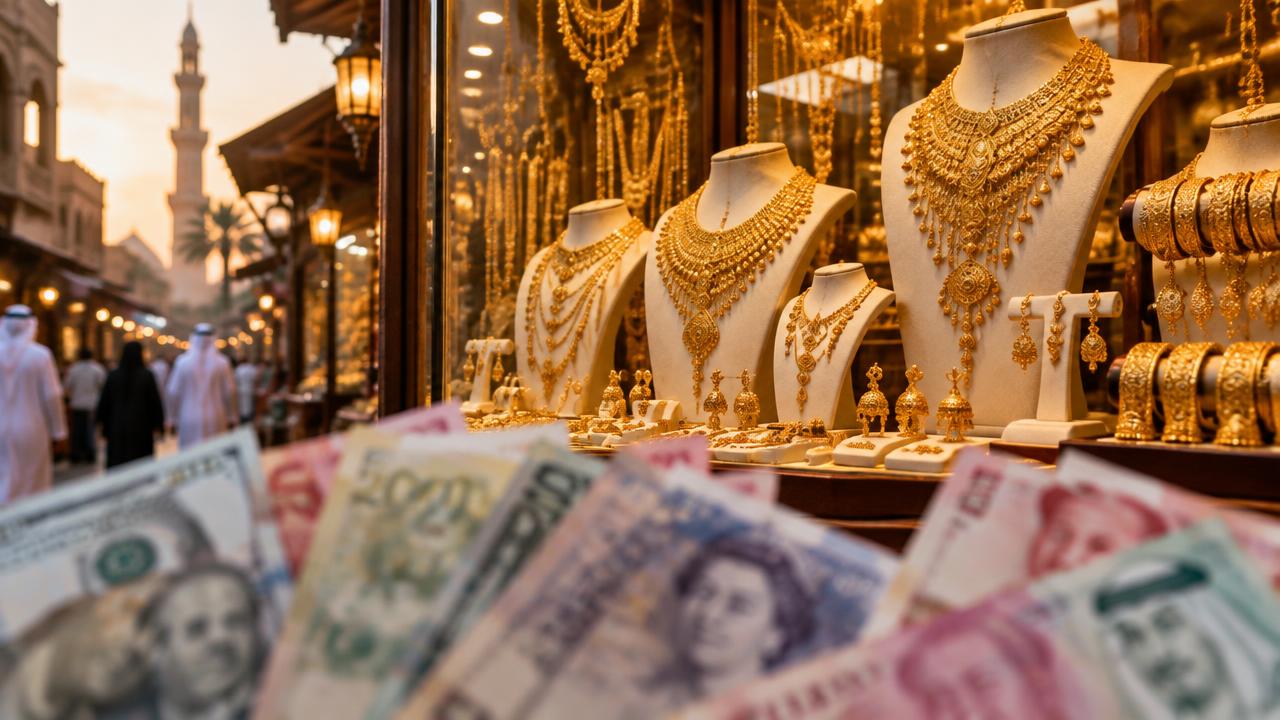
Platinum vs. Palladium vs. Gold: Industrial Demand Drivers in Modern Markets
Gold is mostly a monetary metal, while platinum and palladium depend on cars, chemicals and hydrogen. Compare demand drivers, supply risks and prices.
Introduction: three precious metals, three different economies
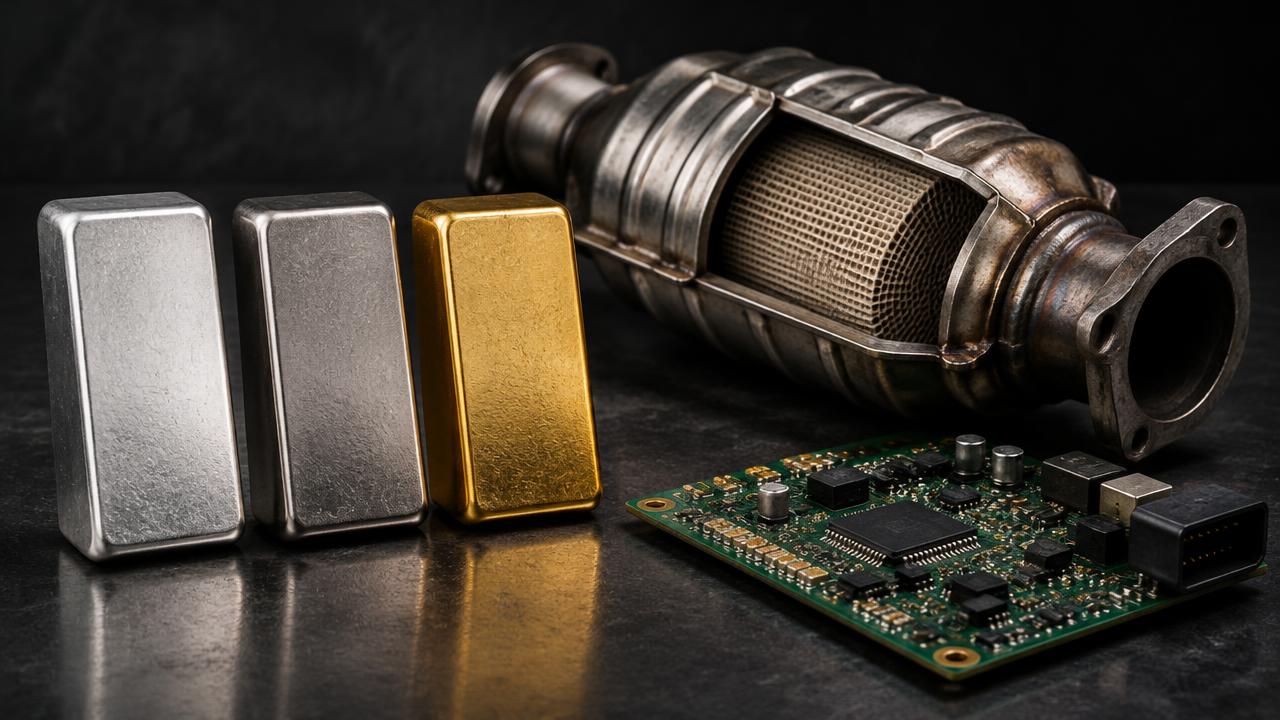
Gold, platinum and palladium are grouped together as precious metals, quoted in dollars per troy ounce and traded on the same exchanges. Yet the forces that move their prices are strikingly different. Gold responds mainly to interest rates, currencies and investor fear. Platinum and palladium, members of the platinum group metals (PGMs), are driven far more by factory output, vehicle sales and environmental regulation. Investors who treat the three as interchangeable can be surprised when one rallies while another falls.
Understanding where demand comes from, and how concentrated supply is, explains why these metals have swapped price leadership several times over the past two decades.
- Key takeaway: under 10% of gold demand is industrial, while autocatalysts account for a large share of platinum demand and the majority of palladium demand.
- Key takeaway: PGM supply is highly concentrated in South Africa and Russia, creating disruption risk.
- Key takeaway: the shift to electric vehicles is the biggest long-term question for palladium.
Where demand comes from
Gold demand is dominated by jewelry, bars and coins, exchange-traded funds and central-bank purchases. Electronics and dentistry use small amounts. Because most gold is held as wealth rather than consumed, above-ground stocks are enormous relative to annual mine output, and price swings come from changes in investor appetite.
Platinum is used in catalytic converters for diesel engines and heavy-duty vehicles, in glass and chemical production, in petroleum refining, in medical devices and in jewelry. It is also a key catalyst in hydrogen fuel cells and in the electrolysers that produce green hydrogen, a potential source of future growth. Palladium, by contrast, is concentrated in gasoline-engine catalytic converters, which have historically accounted for roughly 80% of its use, with the remainder in electronics, dentistry and chemicals.
| Metal | Main demand sources | Industrial share | Key price driver |
|---|---|---|---|
| Gold | Jewelry, investment, central banks | Under 10% | Real rates, dollar, risk sentiment |
| Platinum | Diesel autocatalysts, industry, jewelry, hydrogen | Majority | Industrial output, auto mix, mine supply |
| Palladium | Gasoline autocatalysts, electronics | Around 90% | Car production, EV adoption, Russian supply |
Supply concentration and price spikes
Gold is mined on every inhabited continent, with China, Australia, Russia, Canada and the United States among the largest producers, plus substantial recycling. PGMs are different: South Africa supplies the majority of mined platinum, while Russia and South Africa together provide most mined palladium. Power shortages, labour strikes, mine accidents or sanctions in either country can tighten the market quickly.
This concentration helps explain palladium's dramatic run between 2016 and 2022, when tightening emissions rules increased the metal needed per gasoline car while supply stagnated, briefly pushing palladium well above gold. Platinum spent much of the same period below gold after the 2015 diesel-emissions scandal reduced demand for diesel cars in Europe. Autocatalyst makers have since substituted some platinum for palladium where chemistry allows, narrowing the gap.
A worked example: catalyst demand per million cars
Industry estimates suggest a typical gasoline car's catalyst contains a few grams of palladium. Assume 4 grams per vehicle. One million gasoline cars would then require about 4 tonnes, or roughly 128,600 troy ounces. At $1,000 per ounce that is about $129 million of metal. If one million of those sales shift to battery-electric vehicles, which need no catalytic converter, that demand disappears entirely, whereas hybrid vehicles still require catalysts, often with higher loadings.
Ounces = (Grams per car × Cars) ÷ 31.1035
(4 g × 1,000,000) ÷ 31.1035 ≈ 128,600 oz
Value = 128,600 oz × $1,000 ≈ $128.6 million
What the energy transition means for each metal
Electric-vehicle adoption is a structural headwind for palladium, while hybrids and stricter rules in some markets provide partial offsets. Platinum faces lower diesel demand but could benefit if hydrogen fuel cells and electrolysers scale up, though the timing is uncertain. Gold's role is largely independent of these trends. For a portfolio, this means platinum and palladium behave like cyclical commodities with precious-metal characteristics, while gold remains primarily a monetary hedge. Position sizes in PGMs are usually smaller, and liquidity is lower, with wider dealer spreads on coins and bars.
Recycling adds another layer. A growing share of PGM supply comes from scrapped catalytic converters, so the age and volume of vehicles being retired affects availability. Higher prices also encourage thrifting, as engineers reduce the metal content per catalyst, which can cap demand during price spikes.
Conclusion
Gold, platinum and palladium share a trading desk but not a demand story. Gold follows monetary conditions; platinum depends on industry, diesel and a possible hydrogen economy; palladium is tied closely to gasoline car production and the pace of electrification. Watch auto sales, South African and Russian supply news, and real interest rates to judge each one. For a comparison of the two most widely held metals, read our analysis of gold versus silver as inflation hedges.
For informational purposes only. This article is not financial advice.
Comments (0)
Loading comments…